 ×
×
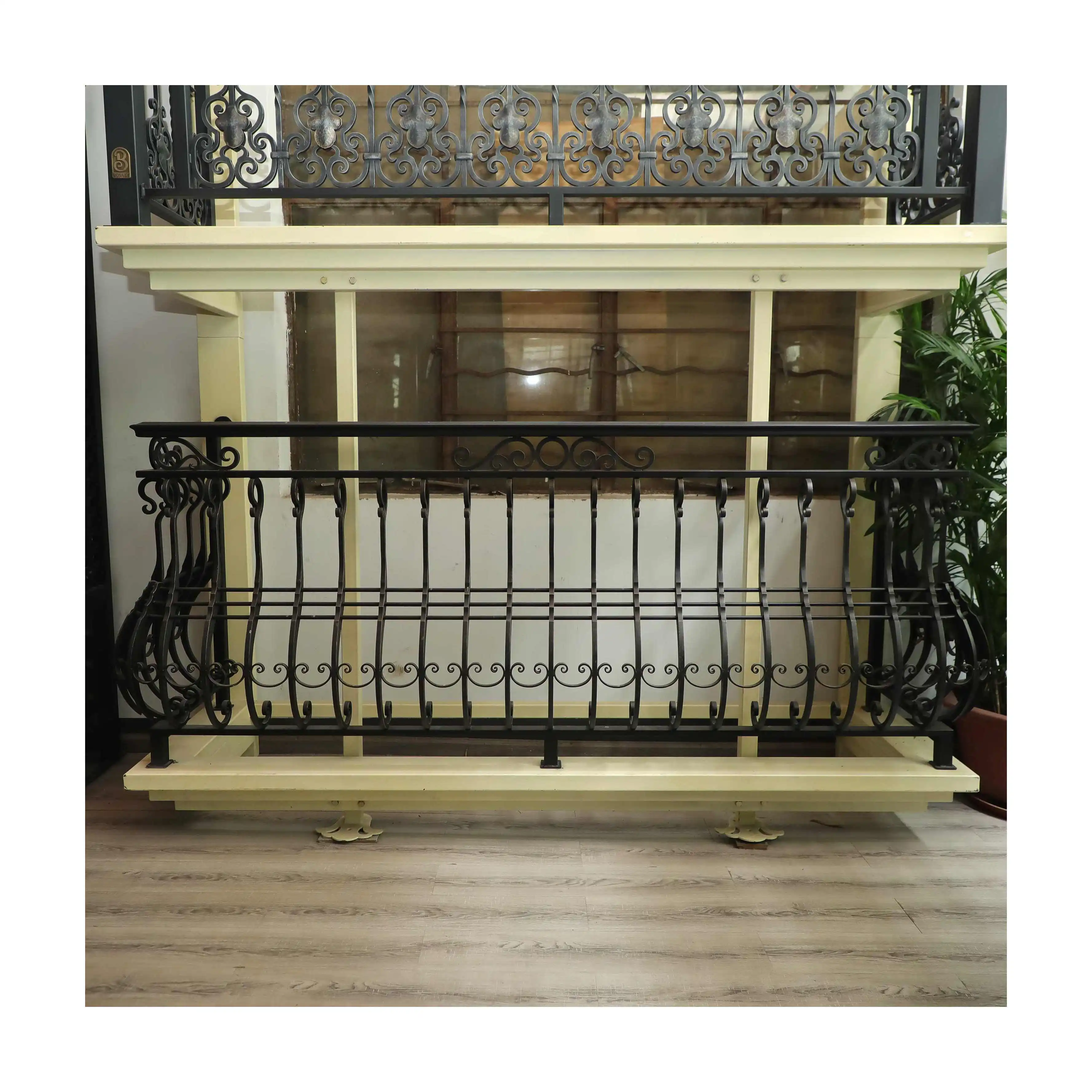
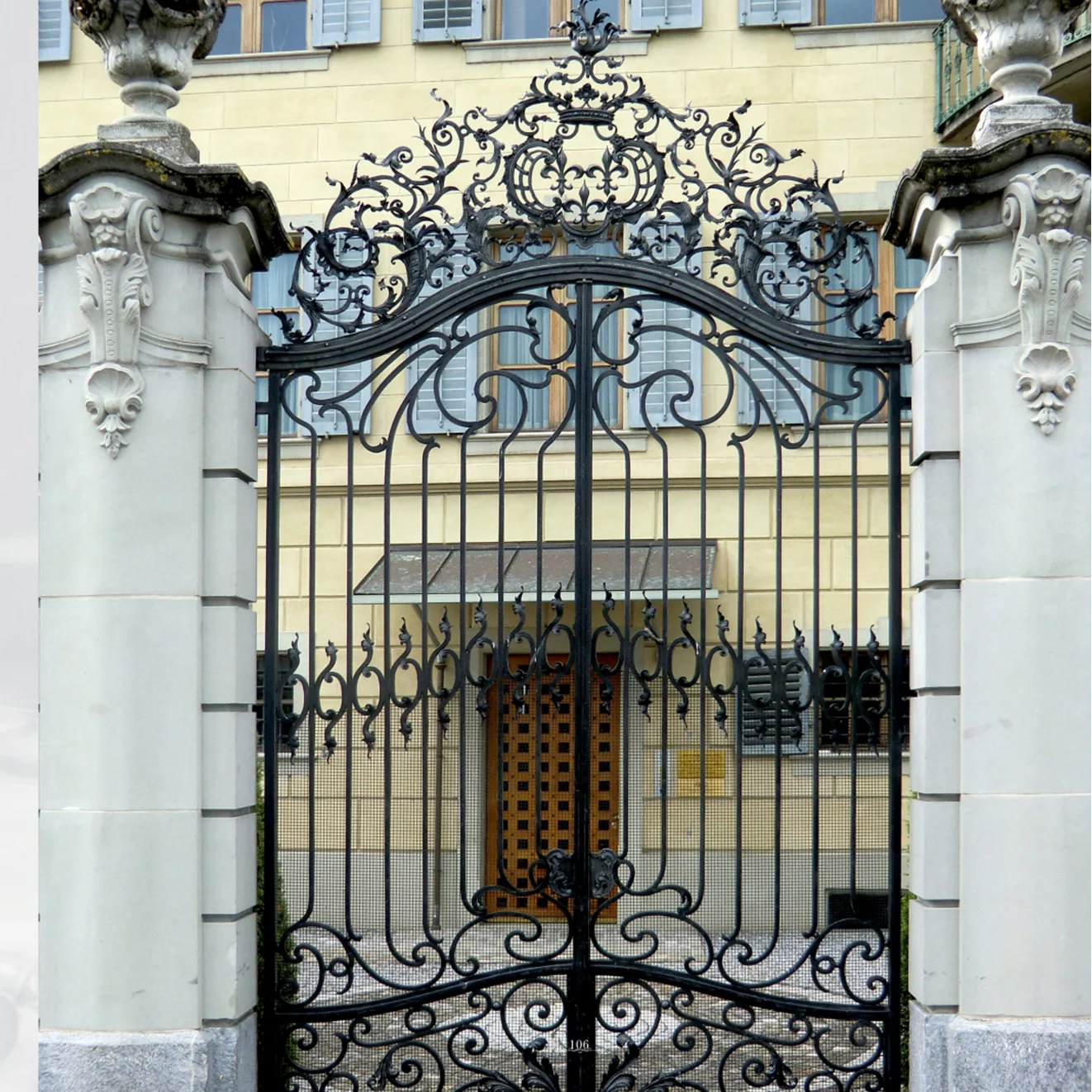
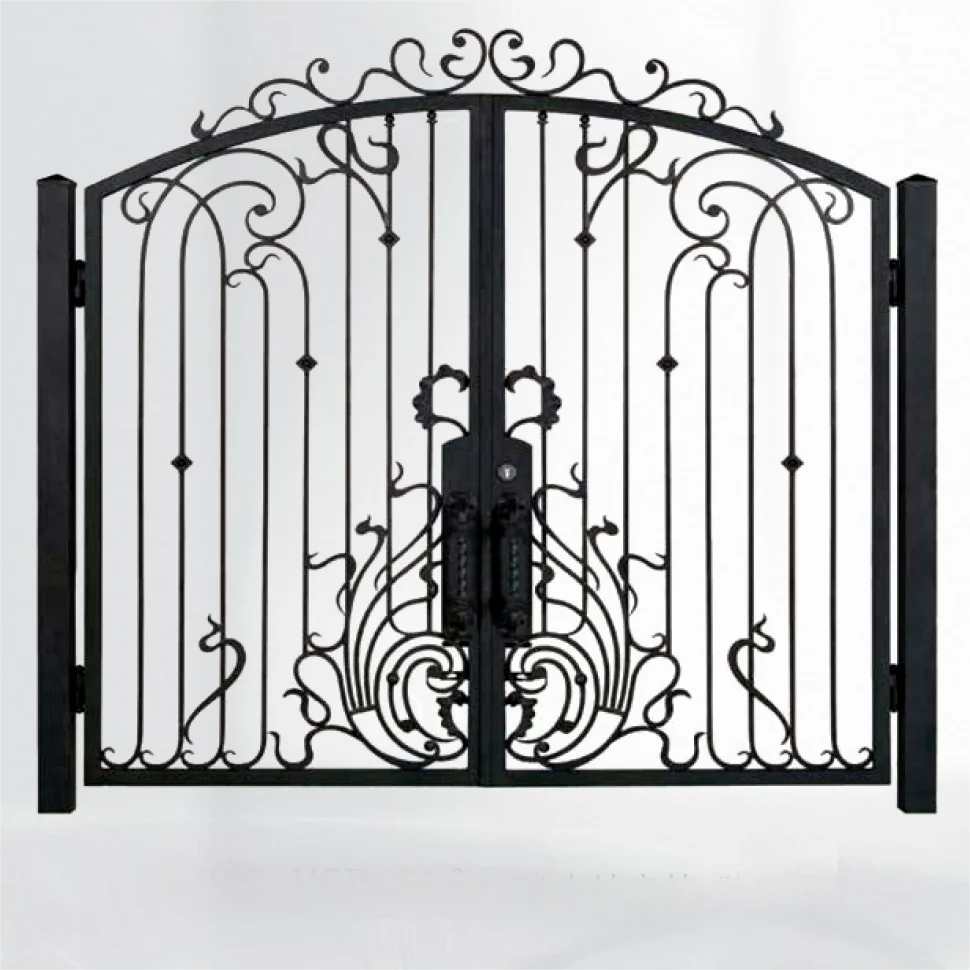
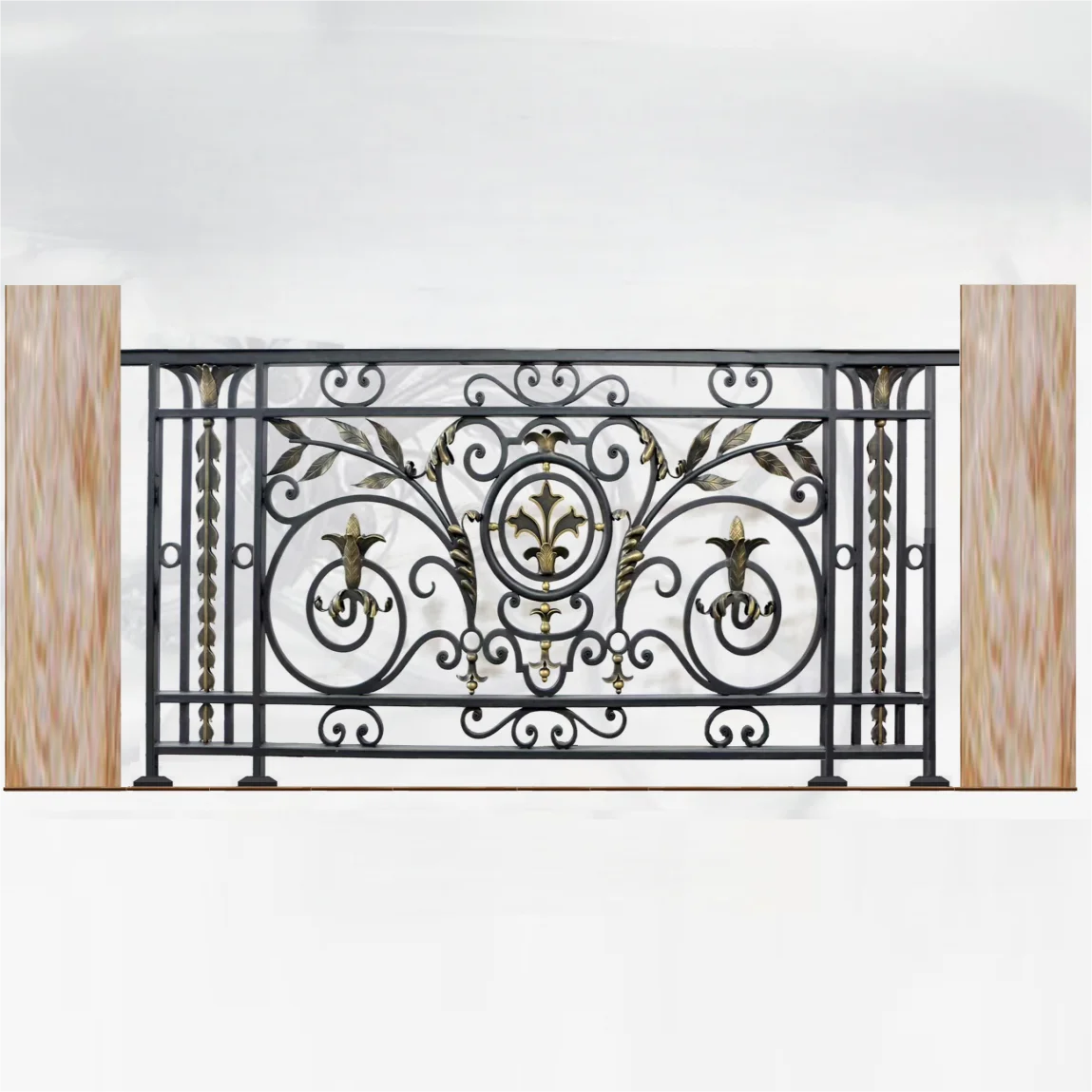
When you stroll through the streets of Paris, your gaze is always gently drawn by the curly black lines on the walls and the delicate patterns on the streetlights—ironwork, the romantic footnote this city writes to architecture.
One, From "Practical Components" to "Artistic Symbols"
The ironwork in Paris began to break free from the constraints of "functionality" in the 18th century. Originally made of metal for balcony railings and streetlight supports, it was crafted by artisans using curves, rolled grass, and floral leaves as pens to create a breathable art form.
Like rows of street lamps on a street, black ironwork outlines the framework of the lanterns, with patterns stretching along the edges, fulfilling both the lighting duties and serving as decorative textures for the building's façade. 
Two, Parisian Elegance Concealed in Details
The ironwork in Paris never takes center stage, but it always perfectly captures the city's romantic ambiance:
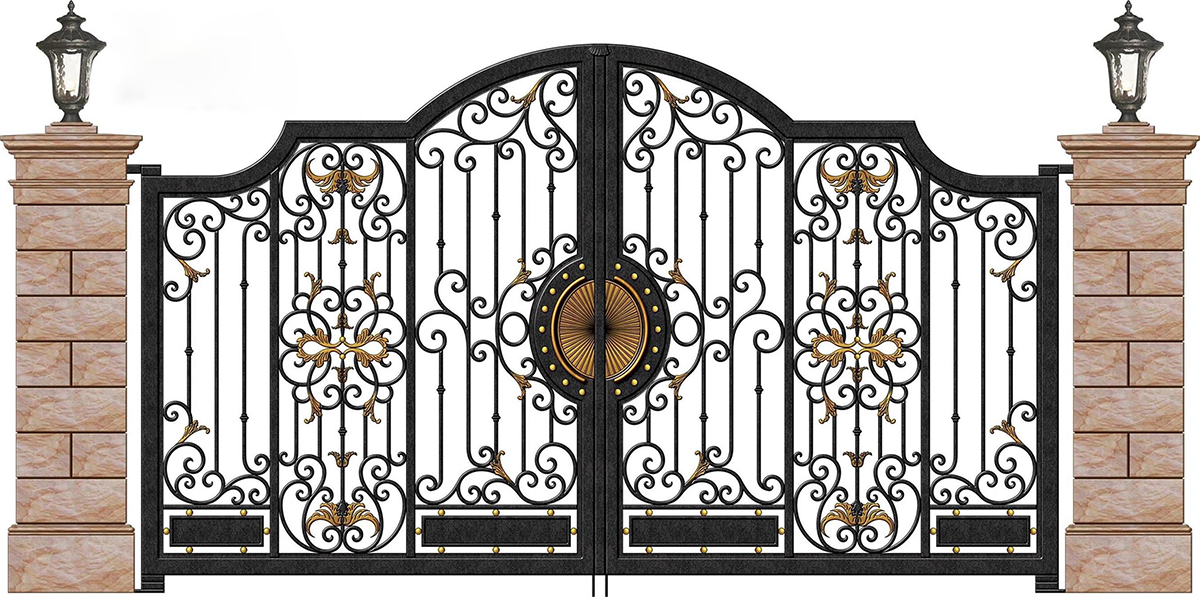
• The twisted lines of the railings and doors resemble frozen waves, serving as a gentle dialogue between the industrial era and artistic aesthetics against the backdrop of the Eiffel Tower;
• The small angel sculpture on the streetlamp poles at the bridgehead echoes with the iron lampshade, exuding a vintage yet vibrant charm that transforms everyday street scenes into tangible romance.
These ironwork pieces are more than just "decoration"; they embody Paris's "lifestyle aesthetics": they infuse buildings with warmth, making every glance on the streets an unexpected encounter with art.
In Chinese, "Yujian" is homophonic to " meeting".
Friends, we look forward to meeting you next time.
 Hot News
Yu Jian (Hangzhou) Trading offers high-end, handcrafted wrought iron products including villa railings, fences, and staircase balustrades. Premium security with timeless elegance, exported globally.
Zhejiang Province Hangzhou City Room 12946, Building 9, No. 336 Changjiang Road, Changhe Subdistrict, Binjiang District
Copyright © 2025 by Yu Jian(Hangzhou)Trading Co.,Ltd. Privacy Policy

 EN
EN