
 EN
EN



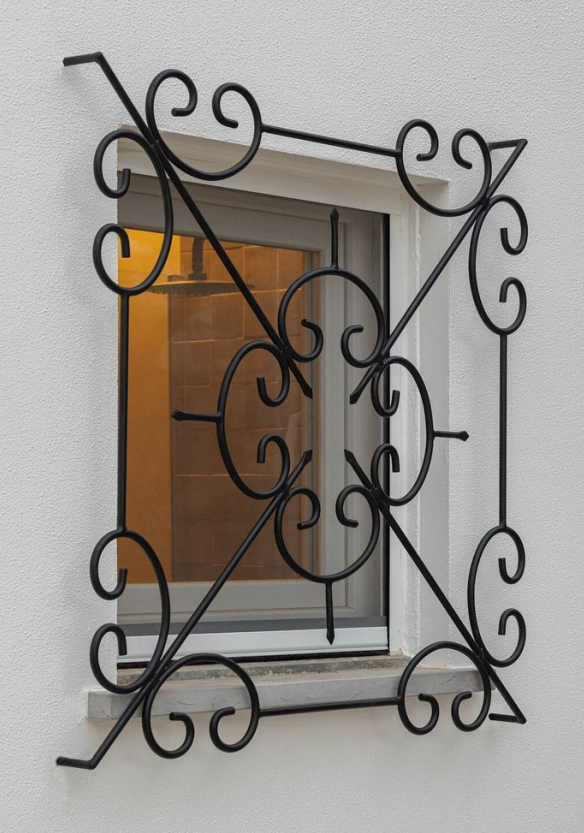
Historical Authenticity: Matching Period-Correct Materials and Craftsmanship
Distinguishing 19th-century cast iron from early 20th-century wrought iron: form, grain, and fabrication clues
Looking at cast iron windows from the 1800s reveals those characteristic coarse crystalline grains and distinctive molded forms. Contrast that with wrought iron from the early 1900s which has those telltale fibrous grains and visible hammer marks from blacksmithing techniques. Real antique work never uses modern welding methods. Instead, look for traditional connections like riveted joints or old school forge-welding techniques. When examining fabrication details, Victorian era pieces often show sand-cast textures, whereas Edwardian designs tend to have more intricate hand chiseling work. These little manufacturing fingerprints can make all the difference when trying to authenticate historical ironwork.
Why handmade iron windows matter: forge marks, hand-forged joints, and absence of modern welding or extrusion
Handmade iron windows carry those unique marks of craftsmanship that just can't be replicated by machines, making them essential for preserving history. When we look at forge marks, they tell us about the traditional blacksmithing methods used. The joints in these windows are actually forged by hand, not welded together with modern techniques as many people might expect. These old fashioned construction methods give buildings their authentic feel. Machine made copies simply don't have this same story to tell. This approach matches what the Secretary of the Interior has said about how important it is to keep those special features that define a building's character through proper rehabilitation efforts.
Conservation-First Evaluation: Repair vs. Replacement Criteria
Assessing structural integrity: when corrosion compromises safety versus when it retains historic fabric
Prioritizing original fabric preservation requires distinguishing hazardous corrosion from stable patina. Structural failure risks emerge when:
- Rust penetrates load-bearing joints (exceeding 20% cross-section loss)
- Crevice corrosion compromises connection points
- Pitting spreads uniformly across tension members
Conversely, surface oxidation often retains historical evidence like forge marks or original construction techniques. According to the Metal Conservation Institute‘s 2022 study of pre-1920 ironwork, 70% of corroded historic iron remains structurally sound when corrosion is stable and localized—warranting stabilization over replacement.
Reversible interventions: traditional glazing putty, mechanical fasteners, and non-invasive paint stabilization
Conservation techniques that don't cause damage help keep things authentic and make them last longer. For instance, using lime based glazing putty means we can take it off later without harming the frame. Those slot type mechanical fasteners let us take apart parts without messing with the original materials. And there's this electrolytic process for stabilizing paint that keeps those original layers intact even under protective coatings. All these methods fit what the Secretary of the Interior recommends, and they really work wonders. Windows treated this way tend to stick around about 30 to maybe even 50 extra years without changing their basic character. A study from the Historic Structures Journal last year showed something interesting too. The research found that when buildings use these reversible treatments instead of replacing everything, it saves roughly 40 percent on costs while still keeping all those valuable historical details intact for future generations.
Material Durability and Deterioration Patterns in Historic Iron
Identifying conservation-critical corrosion: crevice, pitting, and differential oxidation at welds and joints
Historic iron windows deteriorate through mechanisms distinct from modern steel—requiring targeted assessment. Three corrosion types demand immediate intervention:
- Crevice corrosion, thriving in oxygen-starved gaps like fastener joints, accelerates metal loss at critical interfaces
- Pitting corrosion, creating deep, localized cavities, can penetrate severely while leaving surfaces deceptively intact
- Differential oxidation, occurring where dissimilar metals meet, generates electrochemical reactions that dissolve historic material
The worst problems tend to show up around welds and joints, those critical spots where metal joins together. Coastal areas really take a beating with corrosion rates often going over half a millimeter per year. When it comes to fixing things, experts in preservation usually step in if pits get deeper than about a third of what the material should be thick, or if tiny gaps between parts start eating away at how weight gets transferred through structures. What makes this so dangerous is that unlike regular old surface rust we can see, these issues hide inside and slowly weaken everything without anyone noticing until it's too late. That's why catching them early matters so much for safety reasons.
Aesthetic Fidelity: Proportion, Detail, and Architectural Harmony
Sightline matching, muntin profiles, and thermal realism: balancing historic accuracy with modern performance expectations
When working on historic iron window restorations, preservation experts focus on three main visual aspects. First up is getting those sightlines right so the window openings keep their original proportions. Even small changes matter here; anything over 5% starts to throw off the whole look of the building facade according to what we've seen in actual restoration projects. Next comes the muntin profiles. These need to match what was used during specific periods. For instance, Victorian windows typically have those rounded bead details that just aren't found in today's factory-made versions. Meanwhile, Edwardian designs often include those gentle angles at the corners and tapered ends that give them character. Lastly there's the challenge of balancing old fashioned single pane glass looks with modern insulation requirements. Traditional forged iron doesn't help much with keeping heat in, but adding low emissivity storm panels along with good quality weather stripping cuts down on heat loss somewhere between 30 to 40 percent without changing how the exterior looks. Most smart restorers install these efficiency improvements inside where they can be removed if needed, this way maintaining all that beautiful forged texture and craftsmanship while still making sure buildings stay comfortable for people inside.
FAQ
What are the main differences between cast iron and wrought iron windows?
Cast iron windows from the 19th century have coarse crystalline grains and molded forms, whereas early 20th-century wrought iron windows display fibrous grains and hammer marks, indicating they were created using blacksmithing techniques.
Why are handmade iron windows significant in historical preservation?
Handmade iron windows are crucial for historical preservation as they exhibit unique craftsmanship marks that cannot be reproduced by machines, contributing to the authentic feel and character of the building.
How does corrosion affect the structural integrity of historic iron windows?
Corrosion can endanger structural integrity if rust penetrates load-bearing joints, if crevice corrosion compromises connection points, or if pitting spreads uniformly across tension members. Stabilizing rather than replacing such corrosion helps preserve structural soundness.
What are some effective conservation techniques for historic windows?
Effective conservation methods include using lime-based glazing putty, slot-type mechanical fasteners, and electrolytic paint stabilization. These approaches preserve the original materials and extend the windows' lifespan while maintaining historical integrity.