
 EN
EN



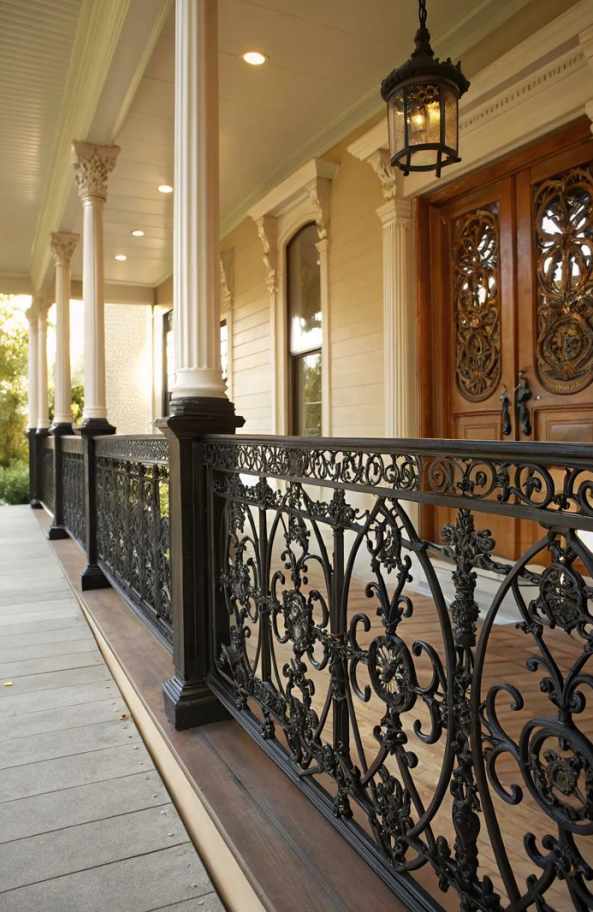
Site-Specific Engineering for Custom Iron Security Fencing
Geospatial Assessment and Perimeter Zoning
Mapping out estate boundaries with GPS or LiDAR tech helps figure out where fences should go without running into problems like big old trees or streams crossing the property line. What happens next is pretty interesting actually. The whole boundary gets divided up based on how secure different parts need to be. Places that are really vulnerable such as driveways and service access points get extra strong construction work done on them. But when we look at sections facing gardens or other low risk areas, there's actually room for nicer looking designs that still keep things safe. Now here's something important about sloped ground. If an area has more than a 15 percent slope angle, special foundation work becomes necessary. Otherwise rainwater will wash away soil over time and eventually cause problems for the fence itself.
Structural Load Analysis for Terrain Variability
Testing the makeup of soil is really important when planning foundations. Clay soils need much deeper footings made of concrete sometimes going down as far as four feet deep. Gravel soils on the other hand allow for shorter footings which saves money during installation. When it comes to figuring out how strong winds will affect buildings, engineers look at weather patterns from local areas. Places that get hit by hurricanes regularly require posts that are about twenty percent thicker just to pass those ASTM impact tests. Stepped foundations become necessary on hillsides steeper than ten degrees because they help prevent twisting forces from developing. These stepped designs match up better with the natural angle of the land and spread out the weight of the building more evenly across different points.
Regulatory Compliance and Setback Requirements
Most city rules demand fences stay at least 6 to 10 feet back from property lines, and places near coasts usually limit how tall fences can be, often maxing out around 8 feet high. Fire departments want easy access too, so some areas need sections of fence that can collapse or move aside every 200 feet or so. Historic neighborhoods throw another curveball by limiting what kind of fancy decorations folks can attach to their fences. Getting everything right before building saves headaches later on. People who skip proper checks end up facing serious fines when they have to tear down work that doesn't meet regulations. According to a study from the Ponemon Institute released last year, these mistakes cost an average of $740,000 to fix.
Material and Design Customization for Iron Security Fencing
Ornamental vs. High-Security Iron Profiles: Balancing Aesthetics and Resilience
For estate owners, finding the right mix between looks and security is essential. Ornamental designs with scrolls and fancy finials definitely make properties look better and fit with surrounding architecture, though these decorative elements can actually create weak spots at joints unless properly reinforced. Security focused profiles take a different route altogether. They focus on keeping intruders out with solid welds all around, fewer places where someone could get a foot hold, and construction that meets UL 325 standards. Research shows these security features cut down on climbing attempts by roughly half according to some studies on property defenses. What works best? A combination strategy makes sense. Put those nice decorative touches where they won't be targeted much but still visible enough to impress guests. Meanwhile install heavy duty stuff like 12 gauge steel, tamper proof screws, and frames rated against impacts right at doors and gates where break ins typically happen. Powder coating allows for colorful options too, and many top brands offer warranty protection lasting decades against rust issues.
Solid Bar, Tubular, or Composite Iron: Selecting the Right Profile for Estate-Scale Durability
The choice of profile has a big impact on how long things last, how complicated installation gets, and what the overall costs will be over time. Solid bar iron gives the strongest tension resistance possible, although we generally suggest at least half an inch thickness for main structural barriers. The downside? These require much heavier foundation work and need special attention to thermal expansion issues. We typically install expansion joints roughly every thirty feet along these structures. Tubular designs cut down on weight by around 40 percent compared to solid bars while still keeping good structural integrity thanks to their specially shaped cross sections. This makes them particularly useful when dealing with uneven ground or hillsides where stability matters most. For installations near saltwater areas, composite materials combining iron with aluminum cores stand out because they resist corrosion better than standard options. They do come at a price though, usually costing somewhere between 25 to 30 percent more than conventional alternatives. When comparing different options, several factors become really important:
- Load distribution: Tubular designs better resist lateral soil pressure
- Thermal management: Solid bars require expansion accommodation; composites do not
- Maintenance burden: Galvanized composite cores cut upkeep by 70% versus traditional wrought iron Incorrect profile selection accounts for 42% of premature fence failures on estates (Perimeter Security Journal, 2023).
Security-First Enhancements in Custom Iron Security Fencing
Anti-Climb Geometry, Height Optimization, and Vertical Obstruction Tactics
The anti climb features on fences include things like slanted tops, spinning decorations at the top, or curved caps that make it hard to get a good grip. These unstable surfaces just aren't going to work for someone trying to scale over. Most fences are built at least eight feet high which is way beyond what most people can reach without some kind of equipment. Plus this height makes it harder for folks outside to see what's happening inside, so it helps with security and keeps things private too. Adding vertical barriers like those pointed finials or pickets arranged in different patterns really makes climbing impossible. According to research from the National Crime Prevention Council back in 2022, these kinds of physical deterrents cut down break ins by around 72 percent when properly installed.
Smart Integration: Sensor Mounts, LED Perimeter Lighting, and Camera-Ready Hardware
Sensor mounts built right into the fence during manufacturing make it much easier to install motion detectors, vibration sensors, and those earthquake monitoring devices along perimeter lines. The lighting system is set up so that LED lights shine on areas where people might approach without creating annoying glare or light pollution at night. Special brackets are also included for cameras that can cover multiple angles and give full 360 degree views around the property. When all these components work together, what was once just a simple fence becomes something far more advanced. It acts as an early warning system that sends out alerts long before anyone actually touches or climbs over the barrier.
Custom Gates and Controlled Access Integration
Custom gates have become the central point of control for estate security systems, turning simple barriers into smart access points. Modern automated gate operators work with various credential systems including biometric scanners, smartphone apps, and proximity cards while still maintaining the same look as traditional ironwork designs. These security systems connect with perimeter sensors and camera networks to send instant warnings whenever someone tries to get in without permission. Safety mechanisms built into the gates stop them from moving if something gets in the way, which helps prevent accidents and stops people from forcing their way through. The control center allows property managers to lock down areas remotely when needed and keeps detailed records that are easy to review for compliance purposes. Well designed access control doesn't just look good it actually makes properties safer and more secure over time.
FAQ
What are the main considerations for planning iron security fencing?
Key considerations include geospatial assessment, structural load analysis, material and design customization, regulatory compliance, and security enhancements.
How do I choose between ornamental and high-security iron profiles?
Ornamental profiles enhance aesthetic appeal with decorative elements but may require reinforcement. High-security profiles focus on resilience and preventing intrusions.
What materials are recommended for estate-scale durability?
Solid bar iron offers strong resistance, tubular designs are lighter and stable, and composite materials resist corrosion in coastal areas.
What enhancements improve the security of iron fencing?
Enhancements include anti-climb features, smart integration with sensors, LED lighting, and camera-ready hardware.
How can custom gates enhance property security?
Custom gates with smart access control systems provide security through biometric scanner integration, smartphone control, and remote area lockdown capabilities.
Table of Contents
- Site-Specific Engineering for Custom Iron Security Fencing
- Material and Design Customization for Iron Security Fencing
- Security-First Enhancements in Custom Iron Security Fencing
- Custom Gates and Controlled Access Integration
-
FAQ
- What are the main considerations for planning iron security fencing?
- How do I choose between ornamental and high-security iron profiles?
- What materials are recommended for estate-scale durability?
- What enhancements improve the security of iron fencing?
- How can custom gates enhance property security?