
 EN
EN



Material Selection and Structural Performance
Wrought Iron vs. Steel: Strength, Weight, and Suitability for Architectural Scale
Wrought iron bends really well which is why it works so great for those fancy old buildings needing restoration work. But when we look at actual strength numbers, there's quite a difference between wrought iron and structural steel. The yield strength of wrought iron sits around 20 ksi while structural steel ranges from 36 to 50 ksi. This means steel wins hands down for big projects that need to hold up heavy loads, like those massive window walls on tall buildings where longer spans mean fewer supporting structures are needed. Wrought iron does weigh just a little less than steel (about 480 pounds per cubic foot compared to steel's 490), but that tiny weight savings hardly matters except for decorative pieces. When buildings face hurricanes, steel holds up much better too, resisting wind loads about 40% stronger than wrought iron can manage. At the end of the day, choosing materials comes down to what architects want to achieve. Steel goes into modern skyscrapers because it performs structurally, while wrought iron finds its place in designs where looking authentic to history takes priority over pure strength.
Thermal Break Integration and NFRC-Certified Energy Efficiency
Thermal breaks made from materials like polyamide or polyurethane stop heat from traveling conductively between the inside and outside metal parts of buildings. These barriers can cut down on thermal transfer by around 60 percent. Combine them with Low-E glass and argon gas filling, and we're looking at U-factors that drop below 0.30, which satisfies those strict NFRC standards most architects care about. The National Fenestration Rating Council actually tests products against three main performance indicators to ensure what gets labeled really works in practice, not just on paper.
| Metric | Performance Range | Significance |
|---|---|---|
| U-Factor | 0.15–0.30 | Measures heat retention |
| Solar Heat Gain (SHGC) | 0.25–0.40 | Controls interior cooling |
| Visible Transmittance | ≥70% | Optimizes natural light |
A reputable custom iron windows manufacturer embeds continuous thermal breaks into frame design—not as an afterthought—and aligns configurations with IECC 2021 energy codes. This approach cuts HVAC costs by 18–22% annually without compromising aesthetic integrity.
Design Flexibility and Aesthetic Precision
Thin Profiles, Minimal Sightlines, and Complex Geometries via CNC Fabrication
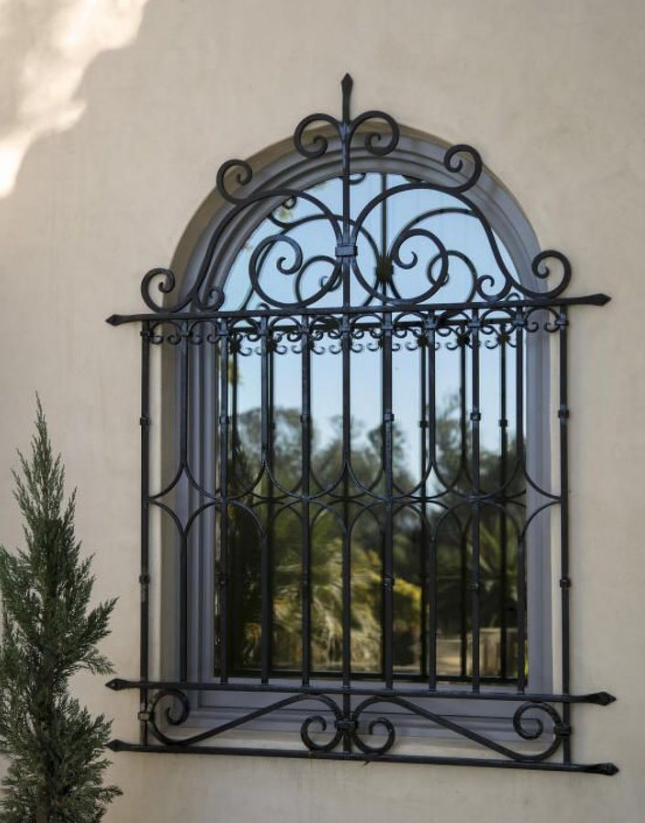
Custom iron windows made with CNC fabrication achieve remarkable precision, allowing profiles as thin as just 1.5 inches. More glass means fewer interruptions to the view, creating those smooth transitions between inside spaces and outdoor areas that architects love so much. The process involves computer controlled plasma cutting and robotic welding techniques which keep everything structurally sound, even when dealing with tricky shapes such as curved archways or irregular building fronts. What we end up with are sightlines about 40 percent narrower compared to regular steel windows, plus uniform quality throughout big projects. This kind of consistency makes all the difference when bringing bold design concepts to life without compromising on either build quality or repeatable results.
Premium Finishes and Integrated Glass Systems: Powder Coating, Patina, and Low-E Configurations
The look of buildings over time really hinges on smart surface treatments and proper glazing choices. Powder coatings aren't just limited to basic colors either they come in over a hundred shades and stand up against sun damage remarkably well, keeping their brightness intact for twenty years plus without chips or fading issues. Historic renovations often call for something different though. Hand applied iron patina creates those genuine oxidation effects that slowly change and develop character across many decades. Pair these finishes with Low-E glass and argon gas fills inside the panes, and buildings can achieve U-values under 0.30 while stopping almost all UV light from getting through. Energy bills drop around 15 to 20 percent annually as well. What makes this combination so valuable is how it bridges old world charm with modern efficiency requirements, whether working on converted factory spaces or traditional style homes.
Corrosion Protection and Lifecycle Durability
Resistance to corrosion just cannot be ignored, particularly along coastlines or near factories where plain iron structures start showing signs of wear after only a few years. When hot dip galvanized, metal gets coated with a base layer of zinc iron alloy that basically sacrifices itself first before the actual metal underneath starts corroding. This protective layer lasts for many decades if done right. Smart companies go even further by adding two layers on top: usually starting with an epoxy primer that sticks well and fights off rust, then finishing with something like UV resistant polyurethane paint. Looking at what industries have found out through their studies, these layered approaches keep things working fine for around 30 plus years in normal weather conditions. But when materials face really tough environments, they might need another coat somewhere between 10 to 15 years down the road. Design matters too. Good engineers include small drainage holes so water doesn't get trapped anywhere, and switch to stainless steel bolts wherever possible to avoid those pesky galvanic reactions. All these little tricks together cut down long term expenses significantly compared to leaving metal bare and unprotected.
How to Vet a Custom Iron Windows Manufacturer
Verifying Craftsmanship: Welding Standards, QA Protocols, and Project Collaboration Experience
When looking at custom iron window manufacturers, there are really three main areas worth checking out. First things first, make sure they follow proper welding standards. The AWS D1.1 structural welding code is gold standard here, so ask for actual radiographic tests showing how well those joints hold up when winds start blowing hard against buildings. Second, check their quality assurance practices. Does the company have ISO 9001 certification? Can they show third party audits? What about their process controls? We want to see dimensions consistently within about 1/16 inch tolerance throughout production runs. Third, find manufacturers who actually know how to work with others on projects. Look for experience with BIM integration during design phases, complete tracking of materials from factory to installation site, and companies that do follow-up checks after installation to fix problems like heat transfer points, sealing gaps, or fit issues in the field. According to recent industry surveys from 2023, manufacturers with solid QA programs cut down on callbacks by around two thirds compared to shops that just eyeball everything. That makes a huge difference for keeping construction schedules on track, sticking to budget limits, and ensuring buildings perform well years down the road.
FAQ
What is the main difference between wrought iron and structural steel in construction?
Wrought iron is more pliable and used for restoration work. In contrast, structural steel is much stronger, making it suitable for projects where heavy loads and long spans are involved, like skyscrapers.
How do thermal breaks improve energy efficiency in buildings?
Thermal breaks, made from materials like polyamide or polyurethane, significantly reduce thermal transfer between indoor and outdoor parts of a building, improving energy efficiency by lowering U-factors, especially when combined with Low-E glass and argon gas.
Why is CNC fabrication important in custom iron windows?
CNC fabrication allows for precision in creating iron windows with thin profiles and minimal sightlines, maintaining structural integrity even in complex geometries, which is ideal for modern architectural designs.
How do buildings benefit from advanced finish and integrated glass systems?
Advanced finishes like powder coating and hand-applied patinas enhance aesthetic appeal and durability, while integrated glass systems maintain energy efficiency, reduce UV penetration, and lower energy costs.