
 EN
EN



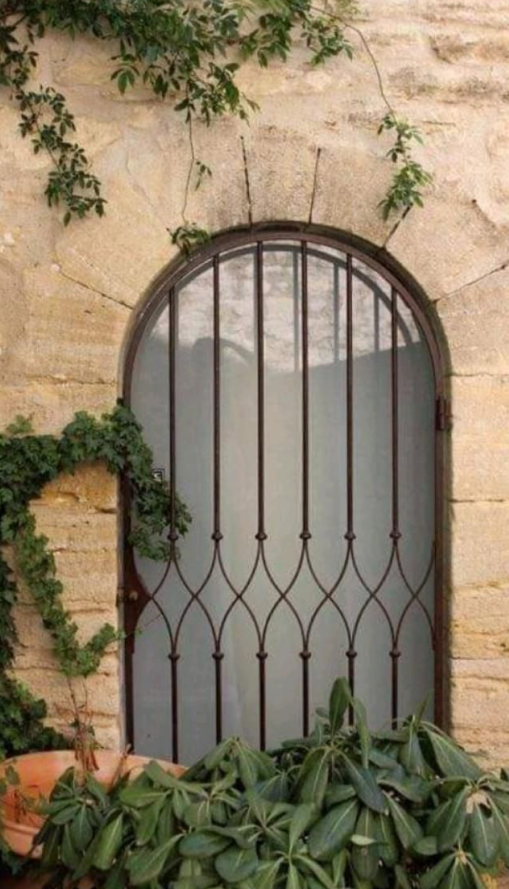
Key Weather Resistance Standards for Iron Windows
EN 12207, EN 12208, and BS 6375: Air, Water, and Wind Load Performance Benchmarks
When it comes to weather resistant windows, three main European standards stand out as essential benchmarks: EN 12207 for air permeability, EN 12208 dealing with water tightness, and BS 6375 which focuses on how well they handle wind loads. Let's break this down a bit. The EN 12207 standard actually sorts airtightness into four different classes, with Class 1 being the most basic requirement and Class 4 representing top notch performance. For water resistance, EN 12208 uses ratings from 1A all the way up to 15A, and guess what? Those higher numbers mean better protection during those long summer downpours we all hate. Then there's BS 6375, which basically says manufacturers need to test their iron windows at pressures reaching 3,000 Pa winds before they can claim any kind of durability. These standards work together like a puzzle piece fit, creating reliable performance metrics especially important for areas near coasts or other harsh environments. Anyone specifying iron windows knows firsthand how crucial these specs are when facing constant salt spray corrosion and unpredictable wind forces that just won't quit.
ASTM E331 (Water Tightness) and AAMA 501.1 (Wind-Driven Rain): Critical Protocols for Weather Resistant Iron Windows Supplier Validation
Across North America, two key standards tackle different aspects of window performance: ASTM E331 and AAMA 501.1. The first one tests how well windows hold up against steady water pressure for 15 minutes at around 137 Pascals or higher. This basically checks if they can withstand heavy rain when there's no wind involved. The second standard takes things a step further. AAMA 501.1 combines repeated water spraying with changing air pressures that go up to 25% beyond normal levels. This simulates exactly what happens during those intense hurricanes where wind drives rain sideways into buildings. When manufacturers meet both these requirements, it means their iron windows have actually been put through their paces under conditions similar to real Category 4 storms, not just passing some paper test. For anyone buying windows who cares about lasting building envelope protection, getting products certified independently against these specs is still the gold standard in the industry today.
Essential Performance Metrics to Verify in a Weather Resistant Iron Windows Supplier
Water Infiltration Thresholds and Acceptable Leakage Rates Under Static and Dynamic Pressure
Looking at potential suppliers? Make sure they can prove real-world water resistance beyond simple pass/fail tests in labs. For static pressure testing following ASTM E331 standards, premium iron windows should show absolutely no leaks when exposed to pressures that beat local average rainfall intensities by around 15%. When we talk about dynamic conditions like wind driven rain according to AAMA 501.1 specs, there's barely room for error - leakage needs to stay under 0.01 gallons per minute for every linear foot of window frame, all while enduring simulated winds reaching up to 110 mph. What really counts as solid performance comes down to meeting these three key benchmarks that have been field tested and confirmed across different environments.
- Zero water penetration at design pressure (DP)
- <5% surface-area moisture ingress at 150% DP
- Structural failure only beyond 200% DP—confirming generous safety margins
These metrics reflect not just sealing quality, but the integration of gasket systems, joint tolerances, and drainage architecture unique to high-performance iron fenestration.
Wind Load Capacity (PSF) and Structural Integrity Testing for Coastal and High-Wind Zones
The ability to withstand wind loads, measured in pounds per square foot (PSF), determines how well iron windows hold up during hurricanes in coastal areas. For properties near the shore, getting at least a 60 PSF rating is pretty much standard these days according to the ASCE 7-22 guidelines for Category V exposures. To really test if these windows can stand up to real world conditions, manufacturers need to run them through thousands of pressure cycles, around 9,000 give or take, which mimics what happens when strong winds hit repeatedly over many years. When looking at what makes iron windows structurally sound, several important factors come into play:
- Performance Grade certification verifying uniform load deflection limits under both positive and negative pressure
- Mullion reinforcement engineered to resist torsional stresses �1.5– basic wind speed requirements
- Prioritized glass retention over frame deformation during overload—ensuring life-safety even at failure thresholds
Third-party reports should confirm permanent damage occurs only beyond 80 PSF, validating true Category 4 hurricane resilience.
Lab Certification vs. Real-World Field Validation
Certifications like EN 12208, ASTM E331, and AAMA 501.1 set important standards for measuring water tightness, air leakage rates, and how structures respond to loads. These tests give concrete numbers to work with. For instance, specs might show leakage staying under 0.01 gallons per square foot when pressure is applied statically, or deflection measurements that stay within ±L/175 limits during wind load simulations. But no lab can really mimic what happens over decades in real world conditions. Coastal areas deal with salt spray corrosion, buildings expand and contract through temperature swings from minus 20 degrees Celsius all the way up to plus 50, and UV light slowly breaks down protective coatings on materials. Field testing fills this gap. Looking at iron windows actually installed in places hit regularly by hurricanes shows how welds stand up to constant heating and cooling cycles, if powder coat finishes start to chalk after several rainy seasons, and if drainage holes get blocked over time by dust and dirt carried in the air. The best suppliers of weather resistant iron windows combine these lab results with real world evidence. They want to see actual performance records stretching multiple years, especially from tough environments like Miami-Dade County or along the Gulf Coast, before making any promises about lasting durability.
Third-Party Certification as a Trust Signal for Weather Resistant Iron Windows Supplier Selection
When it comes to building materials, independent certification actually turns those dry technical specs into something real people can trust. Architects, specifiers, and builders don't just take manufacturers at their word anymore. Third party verification from places like Intertek, UL, or labs approved by WDMA makes all the difference. These organizations check if products meet standards such as AAMA/WDMA guidelines, European Norms (EN), or ASTM testing methods. They do this with proper equipment that's been calibrated correctly and follow procedures that get regular audits. Looking at construction quality reports tells another story too. Projects where certified iron windows were specified had about 30 percent fewer issues related to weather problems down the road. That kind of data really highlights why getting unbiased validation matters so much in actual day to day operations on site.
Decoding AAMA/WDMA Labels: Air Permeability Class, Water Resistance Grade, and Structural Performance Ratings
The AAMA/WDMA labeling system delivers standardized, comparable metrics across three failure domains:
- Air Permeability Class (APC): Measures air leakage under pressure differential; Class 40 requires <0.3 cfm/ft²—critical for energy efficiency and interior comfort in high-wind zones
- Water Resistance Grade (WRG): Reflects maximum static water pressure resisted (e.g., WRG-50 = 8.7 psf), directly correlating to hurricane-driven rainfall severity
- Structural Performance Rating: Reports validated PSF capacity, derived from destructive testing—including deflection, permanent deformation, and failure mode analysis
These labels enable objective comparison across suppliers. For instance, WRG-50–certified iron windows installed along the U.S. Atlantic seaboard demonstrate a 99.5% survival rate in Category 3 hurricanes, confirming that certified ratings translate directly to real-world resilience.