
 EN
EN



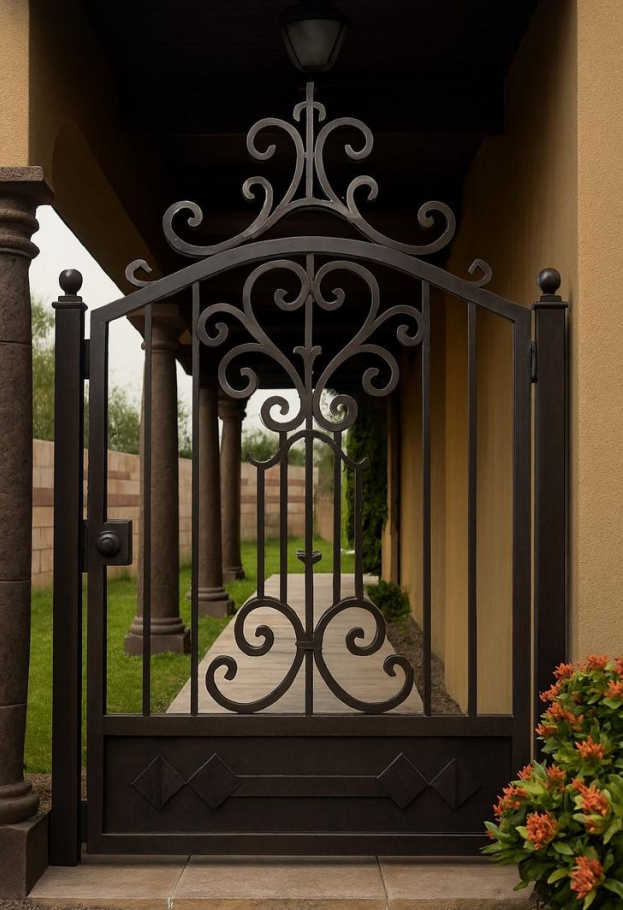
Aligning Antique-Style Iron Doors with UK Architectural Periods
Georgian, Victorian, and Industrial-Era Proportions, Scrollwork, and Panel Layouts
When picking out an antique style iron door for those old buildings across the UK, getting the right proportions and details is absolutely essential. Take Georgian doors for instance they stick to strict symmetry with their classic six-over-six glass arrangement, evenly spaced rectangular panels, and simple geometric scrollwork that never goes overboard. Then there are Victorian designs which love to go big vertically with tall panels, arched tops, and all sorts of fancy leaf patterns or complex scrolls. The glass bars in these doors really show off the craftsmanship from that industrial age. Moving into the industrial era itself, doors become much more about getting the job done than looking pretty. They have straightforward layouts, lots of strong rivets holding things together, and very little extra decoration. Want something authentic? Focus on these underlying structural elements rather than just copying what's on the surface.
Authentic Glass Inserts and Finishing Details by Era
When it comes to glass work and surface treatments, getting the history right is essential if we want to meet those heritage standards. Take Georgian style doors for instance they typically have those tiny, evenly spaced glass panels held in place by old fashioned putty glazing and then painted in that classic matte black finish which was all about understatement back in the 1700s. Then there are the Victorians who went wild with bigger glass elements lots of times with fancy touches like stained glass edges, etched designs, or even colored cathedral glass. These were usually matched with bronze or greenish patina effects that develop naturally as time passes. Industrial style doors tell a different story altogether. They stick to simple wired or laminated glass inside steel frames, keeping things plain and straightforward with visible hardware everywhere. To maintain genuine character over decades, go for manually applied aging techniques using heat or chemicals instead of those mass produced factory sealants or fake coatings. The goal here is to mimic the authentic look of aged materials while still allowing them to breathe and retain their structural properties.
Meeting UK Heritage Compliance and Building Regulations
Listed Building Consent, Conservation Area Rules, and Pre-Application Advice
Putting an old fashioned iron door on a historic building in the UK isn't something that can be done without jumping through some legal hoops. Anyone wanting to change the exterior of a Grade I or II listed property needs official Listed Building Consent first. And let's just say nobody wants to deal with the headaches of unauthorized work since it can lead to massive fines or even criminal charges. The situation gets complicated in Conservation Areas too where even buildings that aren't officially listed still face strict rules under Article 4 Directions. These regulations basically stop people from using materials or designs that clash with the area's character. Talking things over with local conservation officers before submitting applications makes a real difference according to a 2023 study by Historic England. Projects that got this kind of guidance saw their rejection rates drop by around two thirds compared to those who went straight in without it. Getting approval becomes much easier when applicants show they understand what makes sense historically in terms of size ratios, how dense the scrollwork should be, and proper panel arrangements.
Balancing Fire Safety, Thermal Efficiency, and Approved Documents L & B
When upgrading heritage buildings, there's always the challenge of balancing old world charm with today's regulations. Many traditional iron doors just don't stack up against current U-value standards set out in Approved Document L for thermal efficiency. However, installing secondary glazing behind these original doors can provide proper insulation without messing with the exterior look. Fire safety is another big concern covered by Approved Document B. About 82% of heritage retrofit projects have successfully used something called intumescent seals in door frames or thresholds according to the Building Safety Journal from last year. Conservation bodies might let some changes slide if they threaten historical elements, but certain things simply cannot be compromised. Fire escape routes need to stay intact, structures must remain stable, and proper compartmentation is essential. These requirements demand specialized solutions worked out together with both fire safety experts and architects who understand conservation principles.
Choosing Materials: Wrought Iron Authenticity vs. Modern Performance Steel
Choosing between traditional wrought iron and modern performance steel when fitting antique style doors on historic buildings in the UK really comes down to what matters most: staying true to history versus getting something that lasts longer with less fuss. Wrought iron has this unique quality about it that just can't be matched. The way it looks with those tiny fibers running through it makes it possible to recreate those beautiful Georgian scrolls or delicate Victorian filigree patterns so accurately that conservation officers actually approve of them for Grade I and II listed properties. But there's a catch. These doors need checking every year for rust spots and then physically scraping them off which gets old pretty fast. Plus, because wrought iron isn't as strong as some other metals, they don't hold up well in places where lots of people walk through all day or near the sea where salt air eats away at things faster than anywhere else.
Performance steel these days offers real durability improvements. Galvanized versions can last for many years outdoors before needing another coat of protection, usually around 8 to 12 years depending on conditions. They also hold up better against bending and impacts compared to older materials. With modern CNC machines and skilled hands finishing the work, we can create details that look pretty much like traditional craftsmanship. Still, there are small differences in how they feel under touch, their weight distribution, and reactions to temperature changes that sometimes catch the eye of preservation experts. For buildings near the sea, this steel is practically the only choice available since regular wrought iron starts rusting away within months when exposed to salt air.
| Property | Wrought Iron | Modern Performance Steel |
|---|---|---|
| Maintenance | Annual rust removal | Recoating every 8–12 yrs |
| Lifespan | 50–75 years | 30–50 years |
| Authenticity | Period-correct | Replicated details |
| Structural Strength | Moderate | High impact resistance |
For Grade I and II listed buildings, wrought iron should generally be the go-to material when preserving historical accuracy matters most for getting official approvals. Performance steel becomes a better option in situations where durability over time, reduced maintenance needs, or harsh conditions like salt air near coastlines or busy entry points take precedence over matching original materials exactly. The key here is showing how the alternative still fits the overall design vision through proper documentation. According to Historic England statistics, around three quarters of all heritage project approvals in the UK demand written justification for any material changes. This means bringing in experts early on makes good sense for navigating these requirements smoothly.
Specifying Period-Appropriate Hardware and Planning Long-Term Maintenance
Hinges, Handles, Studwork, and Finish Matching for Conservation Approval
Choosing hardware isn't just about looks; it tells a story. For Georgian doors, we need those balanced, understated hinges and handles with straight lines and little ornamentation. The Victorians went all out though, wanting fancy cast iron studs, scroll designs on back plates, and handles that look like they came right off an iron fence from the same era. When preservation experts check door hardware, they care just as much about how it looks aged as they do about its shape. Authentic finishes matter a lot. Traditional methods like black japanning done by hand, creating rust brown tones, or applying oil rubbed bronze in stages to simulate years of wear are what professionals really want to see. These old techniques beat modern options like flat powder coatings or shiny chrome every time when trying to maintain historical accuracy.
Long-term maintenance is a statutory expectation, not an afterthought. A structured regimen ensures ongoing compliance and longevity:
- Bi-annual inspections for rust initiation, hinge wear, joint movement, and sealant degradation
- Annual lubrication of moving parts using non-petroleum-based, pH-neutral lubricants to avoid corrosion acceleration
- Immediate treatment of surface rust with phosphoric-acid converters—never wire brushing alone—to stabilise metal before resealing
- Full documentation of all interventions, including dates, methods, and material specifications, to support future Listed Building Consent renewals
This proactive approach preserves both structural performance and heritage integrity—extending service life while meeting the dual obligations of conservation law and building safety.
FAQs
What are the main considerations when choosing antique-style iron doors for historic buildings?
When selecting antique-style iron doors, it's important to consider proportions and details that align with the specific architectural period, such as the Georgian, Victorian, or Industrial era. Additionally, compliance with heritage regulations and the integrity of the original design are crucial.
How do different materials like wrought iron and performance steel compare for antique doors?
Wrought iron offers period correctness and aesthetics but requires more maintenance, while performance steel provides durability and ease of maintenance but may lack the authenticity of the original materials.
What kind of maintenance do antique-style doors typically require?
Antique-style doors generally require regular inspections for rust, lubrication of moving parts, immediate treatment of any rust, and accurate records of maintenance efforts to ensure compliance with heritage conservation standards.
What is the role of glass inserts and finishing in authentic door design?
Glass inserts and finishing should be era-appropriate. Georgian doors might have small, evenly spaced glass panels, while Victorian doors may feature more elaborate stained or etched glass. The finish should be age-authentic, often involving patina effects or other historical treatment techniques.
Table of Contents
- Aligning Antique-Style Iron Doors with UK Architectural Periods
- Meeting UK Heritage Compliance and Building Regulations
- Choosing Materials: Wrought Iron Authenticity vs. Modern Performance Steel
- Specifying Period-Appropriate Hardware and Planning Long-Term Maintenance
-
FAQs
- What are the main considerations when choosing antique-style iron doors for historic buildings?
- How do different materials like wrought iron and performance steel compare for antique doors?
- What kind of maintenance do antique-style doors typically require?
- What is the role of glass inserts and finishing in authentic door design?