
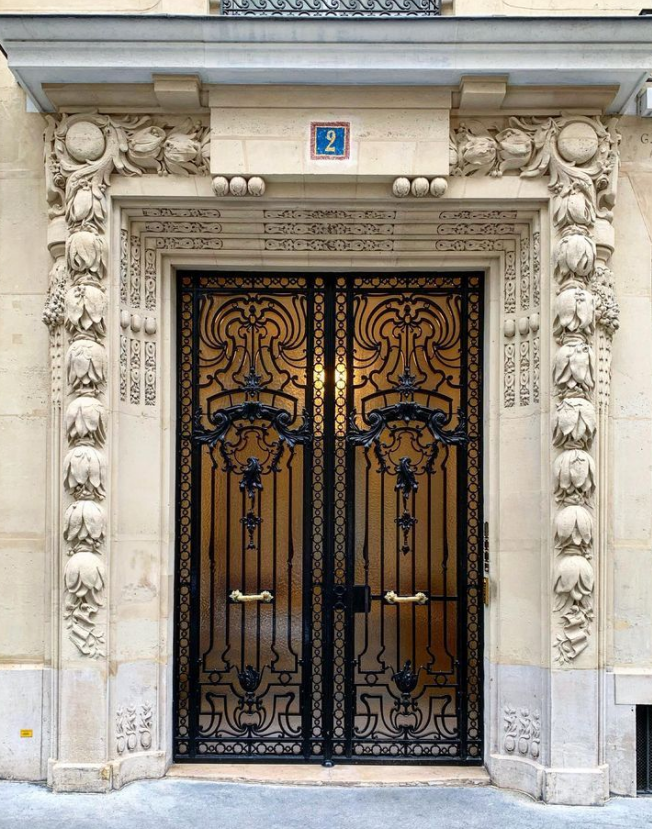
Why Iron Entrance Doors Are Inherently Low Maintenance
Defining Low Maintenance Iron Entrance Door Expectations
Iron entrance doors that need minimal upkeep typically just need a quick clean every three months using neutral pH cleaners, plus checking the weatherstripping and hardware about once every two years. The way these doors are made nowadays solves many problems people used to face. Powder coating on modern doors holds up against fading much better than those old vinyl covered options, and the frames are designed so they lock together, stopping water from getting in. What does this actually mean for someone? Probably around 50 hours total spent maintaining one of these doors over ten years, whereas stained wood doors would take well over 200 hours of work during the same period. That's a big difference when thinking about long term costs and hassle.
Longevity and Durability of Wrought Iron Doors as a Foundation for Minimal Upkeep
The dense molecular structure of wrought iron gives it remarkable structural strength, so it doesn't warp much even when temperatures fluctuate by around 140 degrees Fahrenheit (about 60 Celsius). Compared to things like wood or fiberglass composites, iron holds its shape really well over time. When properly protected against corrosion, most iron structures keep about 98 percent of their original dimensions for at least quarter century. Some high quality products featuring galvanized steel cores have been tested in harsh coastal conditions without showing any problems with door hinges after a decade of exposure. This kind of durability makes them stand out from other materials in terms of lasting performance.
Comparative Analysis: Iron vs. Wood and Fiberglass Entry Doors
Looking at how different door materials hold up over time, research indicates that iron doors end up needing about 73 percent fewer service calls compared to their wooden counterparts when installed in areas with high humidity. Fiberglass doors don't suffer from rust problems like metal ones might, but they tend to develop cracks at a rate 22% higher than other materials during those repeated freezing and thawing periods we see in colder regions. The reason? Something called polymer fatigue eventually takes its toll. Wooden doors present another set of challenges altogether. They typically require regular sealing throughout the seasons to deal with the natural warping that happens roughly 0.5 millimeters each year. None of these maintenance headaches apply to iron doors though. Iron stands out for being exceptionally strong, capable of withstanding forces up to around 19,000 pounds per square inch without breaking down.
Protective Coatings and Rust Resistance in Modern Iron Doors
Role of Protective Coatings and Finishes for Iron Doors in Rust Prevention
The reason modern iron entrance doors need so little maintenance comes down to those protective coatings applied at the factory, which act as the main shield against rust and oxidation. When manufacturers combine epoxy primers with polyurethane finishes, they create something pretty special on the metal surface. These coatings actually form what amounts to a waterproof layer that keeps moisture out. According to recent industry tests from last year's Corrosion Prevention Study, doors with this kind of protection show about 90% less corrosion after just ten years compared to regular untreated iron doors. That's a huge difference when thinking about long term costs and appearance maintenance.
Modern Powder-Coating Technologies Enhancing Corrosion Resistance
Powder coating uses electrostatic application and thermal curing to create a uniform, durable finish that outperforms liquid paints. This process produces a seamless layer three times more resistant to salt spray in accelerated weathering tests, eliminating weak points where moisture could penetrate—a critical advantage for exterior installations.
Rust Prevention for Exterior Iron Doors in High-Humidity and Coastal Climates
For homes near the coast, doors really need those special marine grade sealants around all the joints and hinge points. When humidity stays over 60%, metal starts corroding way faster than in drier regions—actually about two and a half times quicker according to what I've seen in practice. That's why checking those drainage channels and weep holes every three months makes good sense for preventing long term damage. The best bet? Go with vapor permeable sealants instead of regular ones. They stop outside water from getting in but let any built up moisture inside escape naturally, which cuts down on those pesky condensation problems that can ruin door frames over time if left unchecked.
Are Galvanized Frames Sufficient Without Additional Sealants?
Hot-dip galvanized frames provide strong baseline protection, with zinc corroding at just 1/30th the rate of bare iron. However, in harsh conditions, pairing galvanization with silicone-based edge seals extends maintenance intervals by 40%. For moderate climates, galvanization alone is typically sufficient when combined with annual hardware and sealant inspections.
Routine Cleaning and Seasonal Care for Long-Term Performance
Regular Cleaning With Mild Cleansers to Preserve Finish Integrity
Keeping an iron door clean once a month helps maintain its appearance and prevents damage over time. Grab some pH neutral soap and a soft microfiber cloth to wipe away dirt and grime without messing up the protective coating. Stay away from those harsh abrasives though. A study back in 2022 by the Architectural Metals Council showed that people who used abrasive cleaners ended up needing touch ups about 72% more often after just five years. Pay special attention to spots that get dirty faster. Look at those tight corners where salt and pollen tend to stick around, the bottom parts that catch road spray when it rains, and all those little gaps around hinges and handles where grime builds up day after day.
Seasonal Maintenance for Iron Doors: Adapting Care to Weather Changes
Care routines should adapt to regional climates. In coastal zones, bi-monthly rinsing with fresh water prevents salt crystal accumulation, the leading cause of premature corrosion. In snowbelt regions, promptly clean off de-icing chemicals using a vinegar solution (1 part vinegar to 4 parts water) before they compromise sealed surfaces.
Step-by-Step Guide to Routine Care and Maintenance of Iron Doors
Follow this efficient 20-minute monthly routine:
- Dust surfaces with an electrostatic duster
- Wash with automotive-grade wax soap (pH 6.5–7.5)
- Rinse using low-pressure water (<800 PSI)
- Dry immediately with chamois leather
- Apply silicone-based protectant to weatherstripping
Consistent adherence to this regimen extends service intervals by 300% compared to reactive maintenance.
Hardware Maintenance: Hinges, Lubrication, and Structural Integrity
Proper hardware maintenance ensures your low maintenance iron entrance door remains functional and secure for decades. While wrought iron’s rigidity reduces complex upkeep, hinges and moving components still require regular attention.
Oiling and Lubricating Door Hinges Biannually for Optimal Function
Lubricate hinges every six months to prevent friction-related wear. Untreated hinges lose 30% of their smooth operation annually due to corrosion. Use lightweight machine oil for interior applications or marine-grade lubricants in coastal settings.
Best Practices for Using Silicone-Based Lubricants on Iron Door Hardware
Silicone-based lubricants outperform petroleum options in humid environments. They repel water, resist temperatures from -40°F to 400°F, and don’t attract dust when applied sparingly via precision nozzle to hinge pins and rollers.
Inspecting and Tightening Door Hardware to Ensure Structural Integrity
Quarterly inspections with a torque-limiting screwdriver help maintain proper tightness without stripping threads. Misalignment accounts for 72% of early hinge failures by concentrating stress on single pivot points. Secure strike plates and frame anchors using thread-locking adhesive for lasting stability.
Common Signs of Loosening Knobs, Strikes, and Frame Anchors
- Audible cues: Clicking during use or rattling in wind
- Visual cues: Gaps of 1/8 inch or more between door and frame, uneven hinge alignment
- Functional cues: Difficulty engaging deadbolts or latching resistance
Addressing these early preserves security and prevents costly repairs. For significant corrosion, consult a professional about hinge replacement.
Painting, Touch-Ups, and Aesthetic Preservation Over Time
Proper painting and touch-up procedures play a crucial role in maintaining both the beauty and durability of low maintenance iron entrance doors. While modern powder-coated finishes often last decades, localized repairs are needed when scratches or chips breach the protective layer.
When and How to Perform Painting and Touch-Up Procedures on Iron Doors
Tackle minor damage promptly using manufacturer-recommended touch-up kits with matching enamel paint. Clean the area first with a pH-neutral solution, then apply thin, layered coats. For repairs larger than two inches in diameter, consider repainting the entire panel to maintain visual consistency.
Matching Original Factory Finishes in Field-Applied Touch-Ups
The best companies in the business actually provide color matching services these days, using their own secret recipes to get those metallic sparkles and texture differences just right. Before going all in, it's smart to run some tests on spots where nobody will notice if things don't match perfectly after a few seasons outside. Sunlight really does mess with colors over time. A report from the Door & Access Systems Institute back in 2022 found something interesting: about 8 out of 10 homeowners never had to repaint their doors for over a decade as long as the original factory finish stayed intact. That speaks volumes about why steel doors beat out wooden ones so clearly. Most wood doors need touching up somewhere between three and five years later under the same weather conditions.
Table of Contents
- Why Iron Entrance Doors Are Inherently Low Maintenance
- Protective Coatings and Rust Resistance in Modern Iron Doors
- Routine Cleaning and Seasonal Care for Long-Term Performance
- Hardware Maintenance: Hinges, Lubrication, and Structural Integrity
- Painting, Touch-Ups, and Aesthetic Preservation Over Time