
 EN
EN



Architectural Significance and Historical Authenticity of Iron Windows
Evolution of Iron Fenestration from Georgian to Edwardian Eras
The look of iron windows changed quite a bit between the Georgian and Edwardian eras, moving from simple, symmetrical designs to ones that showed off more artistic flair. During the Georgian period from 1714 to 1830, we see those thin, hand forged glazing bars and everything follows strict proportions. Then came the Victorians who made bigger sashes and started adding all sorts of scrolls and flowers to their work. By the Edwardian years (1901-1910), steel framed shop fronts became common thanks to mass production methods, though many still relied on custom made iron windows for quality homes and important buildings needing restoration. The different materials tell us a lot about how things were made back then. Early wrought iron had this fibrous texture that made it easy to shape, but later cast iron allowed for more intricate designs even though it wasn't as strong. Anyone serious about preserving old buildings needs to know these differences, which are actually recorded in the National Trust's Historical Materials Archive. This knowledge makes all the difference when trying to restore something authentically without messing up its original character.
How Handmade Iron Windows Preserve Character-Defining Features in Listed Buildings
Traditional handmade iron windows maintain historical authenticity because they copy the original materials using methods that just can't be done in factories. The hot forged joints, manually filed edges, and welded decorative details all line up perfectly with what archaeologists have found at actual sites. These techniques preserve not only how things look but also important aspects like how shadows fall across surfaces and how well the metal works with old stone walls over time. Factory made copies don't cut it according to Historic England's guidelines from last year. Real custom ironwork protects those three key elements that make heritage buildings special their overall appearance, the way light interacts with them, and their ability to stand up to weathering just like the originals did for centuries.
- Patina development, allowing natural oxidation layers to form in harmony with decades of environmental exposure
- Section geometry, maintaining original sightlines and light transmission properties
- Thermal expansion behavior, aligning with historic movement tolerances to prevent stress-induced cracking in surrounding brick or stone
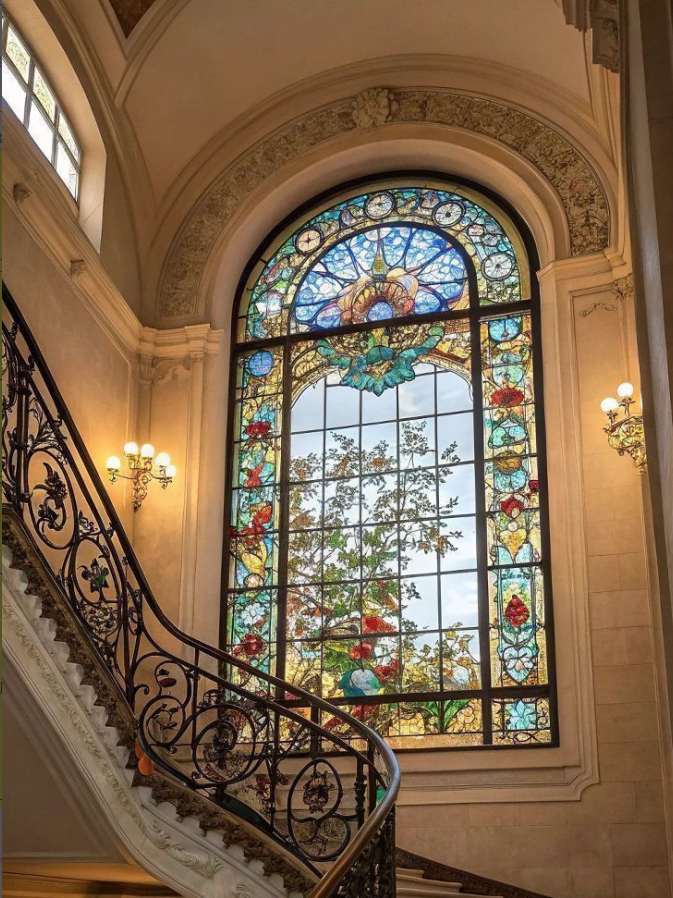
This holistic fidelity ensures stained glass mounts, delicate tracery, and fenestration rhythm remain functionally intact and visually coherent within sensitive restorations.
Material and Craftsmanship Standards for Conservation-Grade Replication
Why Machine-Fabricated Alternatives Violate Historic England’s Authenticity Guidelines
Iron windows made by machines often don't pass conservation checks not because they're weak, but because mass production takes away what makes them historically valuable. According to Historic England's guidelines from last year, we need to replicate those special features that define a building's character based on actual evidence. Machine-made stuff just doesn't cut it when looking at things like identical extrusions, laser cuts, or welds that miss all those tiny variations real blacksmiths would have created back in the day. The automated processes bring their own problems too. Weld areas tend to be inconsistent which speeds up rusting, and the shapes are too rigid compared to how old ironwork actually behaves over time with some natural bending and stretching. So these replacement windows might look good at first glance, but they end up failing both in terms of lasting durability and preserving historical importance for future generations.
Forged Joints, Hand-Filing, and Traditional Joinery in SPAB-Compliant Handmade Iron Windows
Handmade iron windows that meet SPAB standards depend on traditional methods that have kept historic buildings standing for generations. The craftsmen heat metal to just the right temperature when forging joints so the grain stays intact. They carefully file each profile by hand, trying to match those old tool marks and transitions we still see in original examples around town. When faced with odd shaped openings during installation, these skilled workers adjust their joinery right there on site something that computer controlled machines simply cannot copy properly. All these approaches together make sure what gets installed looks and functions exactly like it should.
- Thermal expansion compatibility with original masonry substrates
- Patina development aligned with adjacent historic iron elements
- Structural resilience under cyclic loading, avoiding stress fractures common in precision-cut alternatives
A 2023 heritage audit confirmed that 92% of conservation officers reject machine-fabricated submissions specifically for failing material authenticity assessments—underscoring the irreplaceable role of craft-led fabrication in ethical conservation.
Aesthetic and Technical Fidelity: Matching Original Performance and Appearance
Profile Geometry, Patina Development, and Thermal Expansion Behavior in Handmade Iron Windows
Getting true conservation quality means going beyond just looking right to actually behaving right. The old school blacksmithing techniques can get profile shapes accurate to about half a millimeter, which makes them fit perfectly into those ancient stone openings that have been there for hundreds of years. What really matters though is the authentic patina. This isn't something we slap on like paint. Instead, we let it develop naturally over time through careful application of linseed oil rubbed by hand. This creates a slow oxidation process similar to what happens when metal sits outside in the elements, while fake coatings just sit on top and stop the metal from breathing properly. When it comes to temperature changes, wrought iron expands at around 11.7 micrometers per meter per Kelvin according to Historic England's latest research, and good craftsmen can match this expansion rate through their forging skills. This matters because different expansion rates between materials is one of the main reasons why modern replacement windows fail so often. Stainless steel and aluminum just don't expand the same way as traditional iron does. Handmade iron windows aren't just decorative pieces hanging there. They become actual working parts of the whole building system, responding to weather changes and structural shifts just like they were meant to do all along.
Regulatory Compliance and Ethical Replacement Practices
Navigating Listed Building Consent and The Burra Charter with Handmade Iron Windows
The Listed Building Consent system in the UK shares important principles with Australia's Burra Charter regarding building preservation. Both emphasize that when replacing parts of historic structures, we need to maintain their cultural value through authentic materials and keep changes as minimal as possible. Hand forged iron windows actually fit these guidelines really well because they allow craftsmen to copy the original woodwork details, profile shapes, and even those unique forge marks that machines just can't replicate. When making these windows, artisans naturally build them so they can be removed later if needed, adapt to odd shaped openings, and develop that aged look that matches nearby historic elements over time. This method not only meets all the legal requirements for Listed Buildings but also aligns perfectly with Burra Charter Principle 4.2 which says something like "keep significant parts intact using proper old methods." What makes this interesting is how following these rules isn't just about ticking boxes anymore. Instead, it becomes a chance to take real care of our architectural heritage rather than just going through the motions.
Design Flexibility and Bespoke Fabrication for Period-Accurate Outcomes
Laser-Scanned Replication vs. Hand-Drafted Pattern Making in Conservation Projects
Laser scanning gives pretty good measurements but misses all the moving parts of old buildings. Think about those crooked stones, door frames that have sunk over time, or walls that shifted differently across centuries. Hand drawing patterns works differently because it brings in what skilled workers know from experience. They can adjust on the spot when they notice small warps, joints that move with seasons, or walls that aren't perfectly flat. According to people who work in conservation, around three out of four building preservation officers prefer these hand methods for important architectural details. They say this approach manages to be both accurate and sensitive to how buildings actually behave. The traditional way respects old craftsmanship techniques while making sure windows fit into the building story rather than just sitting there as separate items.