
 EN
EN



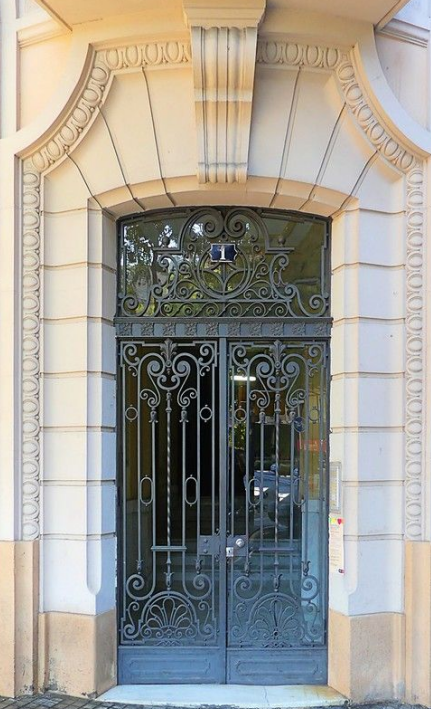
Verify the Handmade Iron Gates Supplier’s Credibility and Track Record
Check industry certifications, material testing reports, and third-party validation
When looking for suppliers, give preference to those with ISO 9001 certification since this indicates they follow consistent quality standards throughout their manufacturing process. Ask for actual test reports that confirm the galvanization thickness meets ASTM A123 requirements. Also check structural integrity reports focusing particularly on weld quality and whether the materials can handle the loads expected given the site conditions. Getting third party checks from professional architectural groups or registered engineers really helps build trust in what we're getting. The numbers back this up too. According to recent research published in Construction Materials Journal last year, about three out of four gate failures happen because of poor materials or bad workmanship. That's why relying on real documentation instead of just verbal assurances matters so much in our line of work.
Review portfolio diversity, project longevity evidence, and verified client testimonials
When looking at different projects including homes, businesses, and old buildings being restored, we can see how designs hold up through various times and places. What really matters is finding proof that things last at least ten years in tough spots like beach areas where salt air eats away at materials or regions with extreme temperature changes from freezing winters to hot summers. These real world tests tell us about the quality behind the work itself. Check out reviews on sites like Google Business or Houzz where people actually talk about what happened after their project was finished. They mention if there were problems later on and whether the finishes still look good after all those years. Videos showing how systems actually work after sitting outside for so long are worth way more than just someone typing some random comments online without giving their name. Case studies that show pictures from before and after also help prove that buildings stay strong and perform well for many years to come.
Assess Customization Expertise and Design Collaboration Process
Evaluate bespoke ironwork capability: from concept sketches to full-scale prototyping
Good suppliers walk their clients through the whole design journey starting with rough sketches all the way to detailed blueprints and working prototypes. These companies tend to spot potential structural problems right at the beginning stage, particularly when dealing with decorative elements such as intricate scroll designs or fancy finials. The key thing is making sure beautiful looks don't come at the expense of safety standards or how well something actually works. When shopping around, check if a company keeps track digitally of every step in this process from flat drawings on paper to computer generated 3D models plus physical miniatures put through rigorous testing. Following this step by step method helps catch weak spots in materials and mechanical problems related to movement long before any actual building takes place. This saves money down the road and keeps the original vision intact throughout production.
Confirm material options—wrought iron vs. mild steel—and corrosion-resistant finishes
Material selection balances aesthetics, strength, and longevity. Wrought iron offers superior malleability for intricate detailing but requires more frequent maintenance; mild steel provides higher tensile strength (60,000–80,000 psi vs. wrought iron’s 40,000–50,000 psi), making it better suited for heavy-duty vehicular gates. For corrosion resistance, prioritize multi-stage finishing systems:
| Finish Type | Protection Level | Ideal Environment | Expected Lifespan |
|---|---|---|---|
| Powder Coating | High | Urban/Coastal | 15–20 years |
| Hot-Dip Galvanizing | Extreme | Industrial/Marine | 25+ years |
| Electroplated Zinc | Moderate | Low-Rainfall Regions | 10–15 years |
Ensure finishes meet ASTM A123 for salt-spray resistance—critical in humid or marine settings where corrosion-related replacements cost property owners $700 million annually (NACE International, 2023). Suppliers should also provide clear, finish-specific post-installation care protocols during material selection.
Examine Structural Engineering and Joinery Standards
How strong a custom iron gate stands depends largely on how well the joints are made. Old school approaches such as hand riveting and those classic mortise and tenon connections give gates that authentic look from history books, though they require really skilled workmanship to prevent water getting trapped inside or creating weak spots where stress builds up over time. These days many craftsmen turn to newer methods like precision welding and structural collars instead. When done right according to industry standards, these modern approaches tend to spread weight more evenly across the whole structure, making for gates that last longer without warping or breaking down under pressure.
Compare traditional (riveting, tenons) vs. modern (precision welding, collaring) methods for gate durability
- Traditional Riveting/Tenons: Authentic but vulnerable to seasonal expansion/contraction and long-term loosening; rivet holes may act as stress concentrators.
- Precision Welding: When performed to AWS D1.1 or AISC 360 standards, full-penetration welds withstand cyclical stress 60% longer than mechanical joints (Material Fatigue Review, 2022).
- Structural Collaring: Reinforced corner collars prevent lateral distortion in wide-span gates—testing shows they resist torsion forces three times more effectively than basic lap joints.
Gates built using modern, code-compliant methods typically exceed 30 years of service with minimal deflection—provided finishes and installation align with engineering intent.
Clarify Installation Protocol and Comprehensive Warranty Terms
Installation is not ancillary—it’s foundational to performance. Errors like misaligned hinges or improper load distribution can undermine even the most expertly fabricated gate.
Determine whether installation is performed by in-house certified technicians or subcontractors
Choose suppliers who deploy in-house, factory-trained technicians. Their familiarity with proprietary designs, hinge tolerances, and anchoring specifications significantly reduces risk. Subcontracted labor often lacks access to brand-specific protocols and quality oversight—increasing the likelihood of alignment errors or compromised load transfer.
Decode warranty coverage: duration, scope (maintenance + labor), and transferability
A robust warranty reflects confidence in both product and process. Insist on terms that explicitly cover:
- Duration: Minimum 10-year protection against material defects (e.g., premature corrosion or weld failure)
- Scope: Inclusion of labor costs for repairs—not just parts—since 78% of post-installation failures stem from workmanship flaws (Metal Fabrication Journal, 2023)
- Transferability: Unrestricted clauses allowing warranty transfer upon property sale, supporting long-term asset value
- Maintenance requirements: Transparent, reasonable guidelines (e.g., biannual hinge lubrication, annual sealant inspection) to preserve coverage without imposing unrealistic upkeep burdens