
 EN
EN



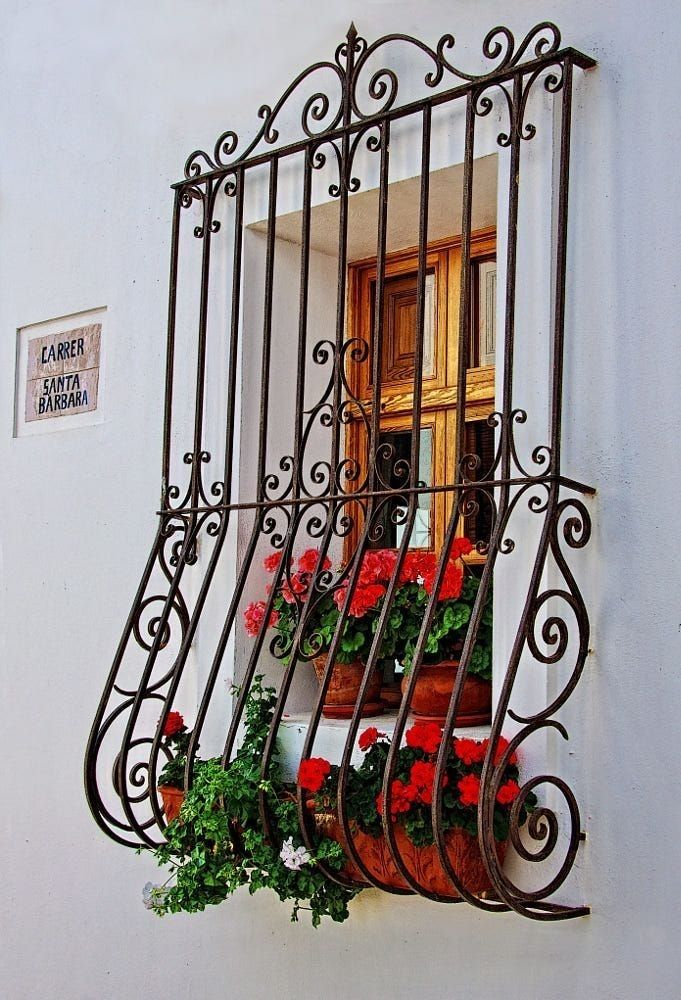
Era-Appropriate Design Language of Handmade Iron Windows
Victorian, Beaux-Arts, and Early Modern Styles: Matching Iron Window Profiles to Architectural Periods
Getting historic preservation right means making sure iron window profiles match up with what was popular during their time period. Take Victorians for instance they loved all those fancy scrolls and plant-like decorations on their windows these were basically calling cards of the era's love affair with ornamentation. Then there are Beaux-Arts windows which stick to balanced shapes, classical measurements, and nice touches like fluted edges or those decorative acanthus leaf endings called anthemions. The early Modernists went in another direction altogether preferring clean lines, showing off structural bits like visible rivets, and keeping things simple and functional. When restoring old buildings, matching these different styles matters a lot curvy details for Victorians, straight balanced looks for Beaux-Arts, and straightforward geometry for Modernist pieces helps meet those strict historic district rules. Going beyond just appearance, authentic work includes proper materials too hand forged connections, welded seams made the old fashioned way, and even special finishes that mimic how metal ages differently across regions based on what conservators have seen in their inspections.
Authentic Construction Details: Muntins, Sash Configurations, and Traditional Glazing Methods
Restoring buildings properly really depends on sticking close to how they were built originally. When we talk about multi-pane windows with those thin iron bars between the panes, these designs copy what was common before the 1900s. The counterweight system for opening these windows works just like it did back then, keeping the same balance and feel as the original ones. For glazing, traditional methods still matter. Using linseed oil putty and old fashioned rolled glass helps keep things looking right from a distance, plus allows the wood to expand and contract naturally without cracking. We skip all those modern paints and finishes too. Instead, we let the metal develop its own color over years, which blends better with surrounding historic materials. This hands-on method meets both looks requirements and lasts longer structurally, so when we install these handmade iron windows, they actually become part of history rather than just pretending to be historical.
Meeting Historic Preservation Standards with Handmade Iron Windows
Navigating Review Processes: How Local Landmark Commissions Assess Iron Window Replacements
When it comes to replacing old iron windows by hand, local landmark commissions take a pretty strict approach centered around keeping things historically accurate. These groups look at how well the new profiles match originals, check if the muntins are sized correctly, examine traditional construction methods like those hot-riveted corners we see in older buildings, and compare everything to old blueprints, photos from decades back, or whatever remnants still exist. Getting approval means showing clear proof that the new windows preserve the original sight lines, materials look right for their era, and the overall shape and size matches what was there before without adding any fancy extras that weren't part of the original design. Most projects go through several rounds of inspection where they build samples first, then test materials. And here's something important: even when making improvements for better insulation or weather protection, these changes need to stay hidden from view while still passing modern energy requirements. At the end of the day, what matters most isn't creating something new or flashy, but proving that the replacement continues the story told by the building itself according to all the records we have about its past.
Crafting Compliant Restoration: Balancing Tradition, Code, and Performance
The Forge-to-Facade Workflow: Custom Fabrication, Fit Verification, and Installation Best Practices
When it comes to restoring old buildings, blending traditional craftsmanship with modern techniques is absolutely essential. The custom work starts right at the forge, where skilled blacksmiths create parts using methods that match what was used back in the day hot riveting, hammer welding, and carefully controlled oxidation processes. Before anything gets put in place, every window goes through two checks first. We scan the original openings with 3D lasers to make sure everything fits dimensionally, then build full size mockups to test how they sit in the old stone walls and check if the sight lines look right. When we actually install these windows, we stick strictly to preservation rules. That means using corrosion resistant materials like stainless steel or bronze for mounting hardware, placing load distribution plates behind the jambs so weight doesn't concentrate in one spot, and applying lime mortar that allows for natural expansion and contraction over seasons without damaging the historic material underneath. Any adjustments on site are always done by hand with traditional tools, because power tools can cause vibrations or wear that might harm surrounding historic surfaces.
Integrating Modern Functionality: Thermal Breaks, Weatherization, and Period-Appropriate Hardware
It doesn't have to be either/or when it comes to modern performance and historic character. The right approach makes both possible. Iron frames that are thermally broken cut down on heat loss somewhere around 40 to 60 percent, all while keeping those slim, elegant looks we associate with buildings from before the war era. For weatherproofing? That happens out of sight. Compression gaskets fit into the traditional rabbet grooves, and there are these special breaks at the bottom joints that handle moisture issues without changing what people actually see. The hardware itself is pretty amazing too. Cast bronze operators look just like they did in Victorian times or follow those grand Beaux-Arts designs, but inside they've got these advanced multi-point locks that meet all sorts of safety standards like ASTM F1998 and ICC-ES AC362. What's really cool is how these windows satisfy both the latest building codes from 2021 and the Secretary of the Interior's rehab guidelines. So yes, even though they're made by hand, these iron windows bring all the comforts of today without losing any of their original architectural soul.
Proven Success: A Case Study in NRHP-Listed Building Restoration
Restoring a 1887 civic building listed on the National Register of Historic Places shows what can happen when traditional craftsmanship meets modern needs. When old iron windows showed signs of serious corrosion and their glass was failing, conservationists went back to basics. They recreated the original 19th century construction methods using hot rivets and hand forged muntins, checking everything against old blueprints and whatever parts still survived. Inside these historically accurate frames, they added hidden thermal breaks that cut window heat loss by almost half - dropping U-values from 1.8 down to just 0.75 Btu/hr·ft²·°F. Getting through the Section 106 review process required careful documentation at every stage, from making test pieces in the forge to installing without damaging surrounding stone walls. Afterward, sensors showed indoor humidity stayed steady between 45 and 55 percent, which means nearby historic iron elements won't corrode as fast anymore. This success helped secure federal grant money and created a model for other projects wanting to blend strict preservation standards with contemporary building codes throughout the National Register system.
FAQ
What are the key architectural styles for handmade iron windows?
The key architectural styles include Victorian, Beaux-Arts, and Early Modern styles, each with distinctive elements like ornamental scrolls, balanced shapes, and clean, structural lines.
How do handmade iron windows meet historic preservation standards?
They match the original profiles, use era-appropriate materials and construction methods, and undergo strict review processes to ensure historical accuracy.
What traditional construction details are maintained in restoring iron windows?
Details like muntins, sash configurations, and glazing methods using linseed oil putty and rolled glass are maintained to replicate the original look and feel.
How are modern functionality and historic character balanced in iron window restoration?
Modern performance is integrated by using thermal breaks, weatherization techniques, and period-appropriate hardware, ensuring compliance with modern codes while preserving historic aesthetics.
Table of Contents
- Era-Appropriate Design Language of Handmade Iron Windows
- Meeting Historic Preservation Standards with Handmade Iron Windows
- Crafting Compliant Restoration: Balancing Tradition, Code, and Performance
- Proven Success: A Case Study in NRHP-Listed Building Restoration
-
FAQ
- What are the key architectural styles for handmade iron windows?
- How do handmade iron windows meet historic preservation standards?
- What traditional construction details are maintained in restoring iron windows?
- How are modern functionality and historic character balanced in iron window restoration?