
 EN
EN



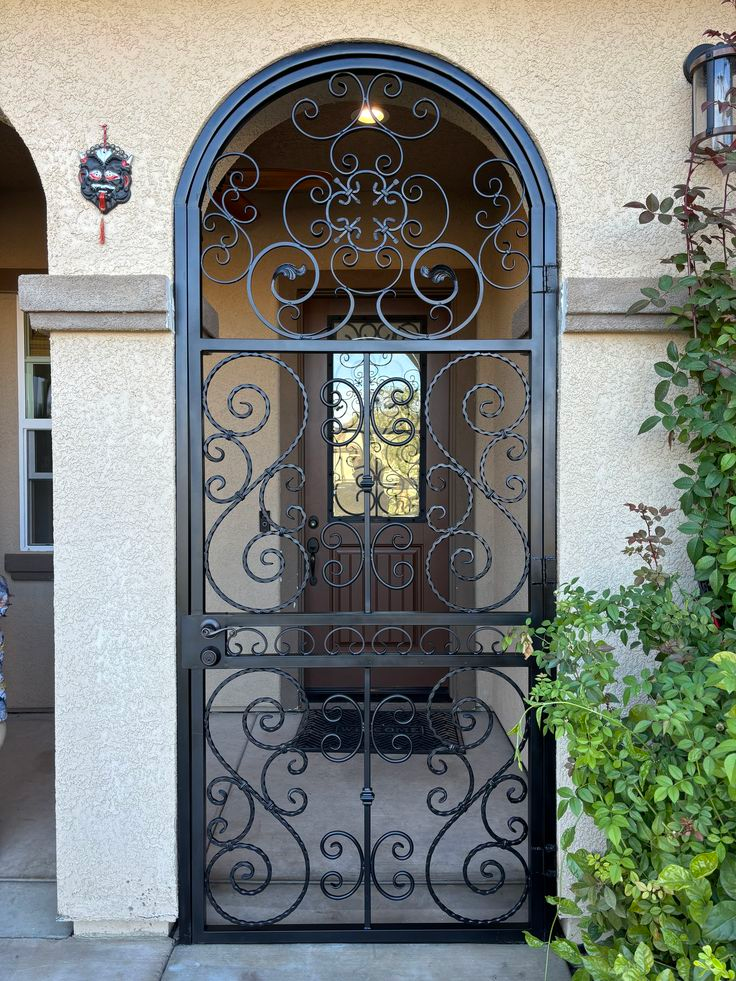
What CE Certification Really Means for Iron Gates
The CE certification isn't just another box to tick off during compliance checks. Instead, it represents what manufacturers are actually saying under legal obligation: their iron gates comply with all the basic EU requirements regarding safety issues, health concerns, and environmental protection measures. Products need this certification before they can even be sold within Europe, showing that they follow specific industry standards like EN 13241-1 and EN 12453 which most companies in the sector rely upon. Global purchasers find value in CE markings because they cut down potential legal risks substantially. Beyond that practical benefit, these marks also act as pretty good proof that the product was engineered properly and should last quite some time without failing unexpectedly.
EN 13241-1 and EN 12453: Safety Standards for Manual and Automated Iron Gates
The main European standards set out what iron gates need to meet in terms of both technical requirements and safety measures. Take EN 13241-1 for example. This one covers things like how strong the gate has to be, how long it should last before wearing down, protection against rust, and how well it performs when actually used. The standard demands that gates can handle impacts of around 50 kilograms and still work properly after being opened and closed more than ten thousand times without problems. Then there's EN 12453 which focuses on automatic gates. It puts clear limits on forces - no more than 140 Newtons when something gets crushed and only 400 Newtons allowed if something gets pinched between parts. These numbers exist because we want to make sure nobody gets hurt while operating these gates. Both of these standards also insist that gates must behave safely even when electricity cuts out, and manufacturers cannot just claim compliance themselves. Instead, they have to get their products tested by outside labs that aren't connected to them.
Top-tier manufacturers embed these requirements early in design and engineering, using simulated stress testing to verify structural resilience and functional safety before production.
CPR Compliance: How Regulation (EU) No 305/2011 Applies to Metal Gates
As permanent building fixtures, iron gates fall under the Construction Products Regulation (CPR) (EU) No 305/2011. This means CE marking must be supported by rigorous conformity assessment— including factory production control audits, a legally valid Declaration of Performance (DoP), and retention of full technical documentation for at least 10 years.
Crucially, self-certification is prohibited for automated gates. Only Notified Bodies listed in the EU's NANDO database— and explicitly authorized for “gate assemblies”— may issue valid certifications. Non-compliance carries severe consequences: fines exceeding €500,000 per violation, per country (Ponemon Institute, 2023), alongside product recalls and reputational damage.
How to Verify Genuine CE Certification in Iron Gates Suppliers
Spotting Fake CE Marks and Misleading Self-Certification Claims
Fraudulent CE claims remain widespread in the iron gate supply chain. Common red flags include generic certificates lacking model-specific test data, expired reports, or documentation from unaccredited labs. According to European Market Surveillance (2023), 38% of non-compliant gates showed mismatches between claimed certification and actual product specifications.
Authentic CE certification requires:
- A model-specific Declaration of Conformity (DoC) with wet-ink signatures
- Traceable test reports issued by an accredited Notified Body
- Documentation aligned with EN 13279-1 for conformity assessment procedures
Any supplier claiming CE compliance without involvement of a NANDO-listed Notified Body violates CPR— and exposes buyers to legal and safety risks.
Validating Notified Bodies via NANDO and Cross-Checking the Declaration of Performance (DoP)
Always confirm the legitimacy of the certifying body through the official EU NANDO database. Key checks include:
- Active accreditation status under CPR
- Explicit inclusion of “gate assemblies” within the Notified Body's scope— 28% lack this authorization
Check if the Declaration of Performance actually matches what's in front of us physically. Dimensions, materials used, kind of actuator, and surface finish need to line up perfectly. Real DoPs come with proper testing data showing how resistant they are mechanically, how long they'll last, and those important safety force limits too. They also include proper installation guides and documentation proving materials meet standards. Any supplier who can't show these full original documents within a day raises red flags worth paying attention to.
Top Sourcing Channels for Reliable CE Certified Iron Gates Suppliers
Strategic sourcing is essential to identify legitimate CE-certified suppliers. Industry-specific trade shows— such as BAU Munich or Batimat Paris— offer direct access to inspect gate mechanisms, review live DoP documentation, and assess engineering rigor firsthand.
Reputable B2B platforms specializing in architectural metalwork allow filtering by CPR-compliant status and verified Notified Body affiliation. According to the International Trade Review (2023), CE-verified supplier profiles on leading platforms command 68% higher buyer trust than uncertified counterparts.
Industry groups across Europe, such as the European Association of Manufacturers of Automatic Doors and Gates (EAMADG), keep track of member companies that meet standards under EN 13241-1 through their audit processes. When dealing with expensive equipment or really important installations, many companies turn to independent inspectors who check factories before shipments leave. These experts look at how tests are conducted, what quality control measures exist on site, and whether records can be traced back properly. Their main goal is to make sure everything lines up with EU Regulation No 305/2011 requirements. This extra step gives clients peace of mind knowing their products actually comply with all those regulations they paid attention to when bidding for contracts.
Global Market Access: Why CE Certification Opens Doors Beyond the EU
EFTA, Turkey, Ukraine, and Gulf Countries: CE Recognition and Local Adaptation Requirements
CE certification delivers strategic advantages far beyond EU borders. Under mutual recognition agreements, CE-marked iron gates gain streamlined market access in EFTA countries (Switzerland, Norway), Turkey, Ukraine, and GCC states including Saudi Arabia and the UAE.
Under Turkey's Customs Union agreement with the European Union, gates bearing the CE mark can be imported without going through extra conformity checks. Things work differently in the Gulf Cooperation Council countries too. Most GCC regulators will recognize CE marking as part of meeting their own standards, like Saudi Arabia's SASO certification or the UAE's G-Mark system. But there are exceptions. Some local rules require adjustments. For instance, certain areas might demand thicker materials or better protection against salt spray damage, especially where equipment gets installed near coastlines.
This regulatory alignment cuts compliance costs by 30–50% versus uncertified alternatives. More importantly, CE certification signals adherence to globally respected safety frameworks— accelerating approvals with distributors, architects, and contractors in markets where EN 13241-1 and EN 12453 are widely recognized benchmarks for quality and safety.
FAQs on CE Certification for Iron Gates
What does CE certification ensure for iron gates?
CE certification ensures that iron gates comply with the EU's safety, health, and environmental protection requirements, making them eligible for sale in Europe.
What are EN 13241-1 and EN 12453 standards?
These are European standards that define the technical and safety requirements for manual and automated iron gates, respectively, ensuring they operate safely and effectively.
Why is self-certification prohibited for automated gates under CPR?
Self-certification is prohibited to ensure that an independent, accredited Notified Body verifies compliance, thus reducing safety and legal risks.
How can I verify genuine CE certification in iron gates?
Verification involves checking for a proper Declaration of Conformity, authentic test reports from a Notified Body, and ensuring all documentation aligns with conformity assessment procedures.
Why is CE certification beneficial beyond the EU?
CE certification offers market access advantages in countries with mutual recognition agreements with the EU, ensuring compliance with high safety and quality standards.