
 EN
EN



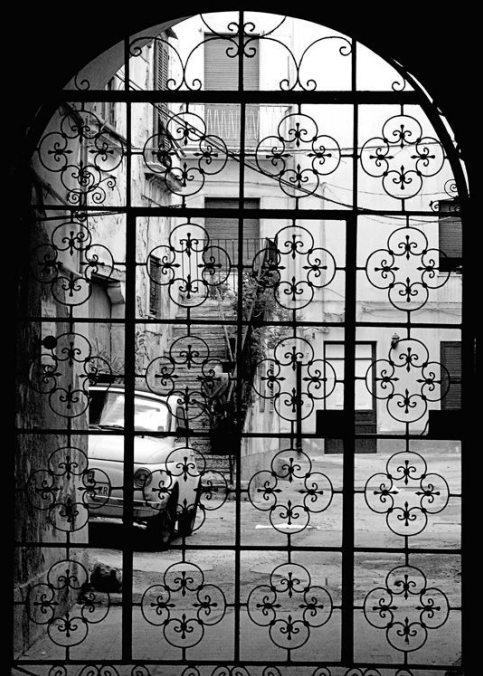
Why Handmade Iron Windows Are Irreplaceable Historic Artifacts
Craftsmanship, metallurgy, and regional design as cultural evidence
Handmade iron windows stand out as something special in our historical record since every single one carries within it multiple layers of cultural information. The way these windows were made tells us about specific techniques used back then like hand forging, riveting, and those old fashioned mortise and tenon joints. These methods show what skills artisans had and what kinds of tools were around before industry took over. From a metal standpoint, there's something different about them too. Wrought iron typically has between 0.02 to 0.08 percent carbon content and still holds onto tiny bits of slag that can be seen when looking closely under a microscope. That's something we don't see in today's steel products. Looking at designs across regions also gives clues about where things came from. For instance, Georgian styles tend to be symmetrical whereas Victorians went for more elaborate designs. Certain scroll patterns or grilles point directly to trade connections and how aesthetics traveled between places. What makes these windows truly remarkable is how they actually hold physical traces of their past. Hammer marks remain visible, along with heat patterns left by coal forges, spots where corrosion naturally formed over time, and even signs of regular use stretching back hundreds of years. According to research published in 2021 by the Historic Metals Survey, most metal items before the twentieth century were made specifically for individual clients rather than mass produced. These windows represent some of the last remaining tangible proof of that custom manufacturing era.
Irreversibility of loss: Why replication fails to convey historic integrity
When we replace those old hand forged iron windows, we lose something far more valuable than just looks. These authentic items carry what some call "material memory" – tiny cracks left by decades of heating and cooling cycles, layers of color built up over fifty plus years, and rust patterns that match exactly with nearby stone work or brick. Copies simply can't capture this kind of history. Today's gas forges give off even heat, which means they miss out on those telltale oxidation spots that show how things were made back then. Electric welders hide the hammer marks that once told stories of craftsmanship. What gets lost matters most though is where these pieces fit into their surroundings. The way they sit in relation to other parts of the building, how they've weathered differently across surfaces, all these details form a kind of archaeological record that nobody can recreate once it's gone. That's why keeping these originals intact remains so important for preserving tangible records of our past techniques, materials, and locations.
Understanding Corrosion Mechanisms in Historic Handmade Iron Windows
Preserving handmade iron windows for historic preservation requires precise understanding of their unique corrosion behavior—shaped by composition, fabrication, and environment—not generic assumptions about iron decay.
Electrochemical oxidation in wrought vs. cast iron under urban microclimates
Wrought iron tends to rust quicker compared to cast iron when exposed to pollution in city areas because of those fibrous slag bits inside it acting like tiny galvanic cells. When the air has lots of sulfur, these little bits actually speed up acid creation, making the metal oxidize even faster. Cast iron works differently though. Its graphite flakes become kind of like spots where corrosion concentrates instead of spreading all over the surface. According to research from 2023 on preserving old materials, wrought iron loses about 0.8 mm each year in these conditions, which is roughly 40 percent faster degradation than what happens to cast iron at around 0.5 mm per year. Because of this difference in how they wear down, we need different approaches for maintaining each type of iron material.
| Material | Corrosion Rate | Primary Vulnerability |
|---|---|---|
| Wrought iron | High (0.8 mm/year) | Slag inclusion electrolysis |
| Cast iron | Moderate (0.5 mm/year) | Graphite-induced pitting |
Hidden threats: moisture entrapment, galvanic coupling, and salt migration
Corrosion tends to do its worst work out of sight. Water gets drawn into those tight spaces between overlapping metal parts or sneaks behind ornate scrollwork, causing rust that hides beneath the surface and goes unnoticed during regular checks. When different metals touch each other, like copper hardware meeting iron, something called galvanic coupling kicks in. This creates tiny electrical currents that literally eat away at the iron right where they connect. Things get even worse in cold regions where roads are salted for ice removal. The salt finds its way through cracks in old stone walls and leaves behind harmful chloride particles that break down protective coatings on metal surfaces, starting a cycle of continuous corrosion. Metallurgists who study historic structures have found that around seven out of ten structural problems in iron windows over 100 years old come from these hidden processes happening under the surface.
Non-Invasive Maintenance Protocols for Handmade Iron Windows
NPS-validated cleaning methods that preserve original patina and tool marks
The National Park Service requires that historic ironwork be cleaned without chemicals. Instead they recommend using pH neutral water solutions along with soft bristle brushes or gentle misting techniques. These methods effectively take away dirt from the air and dissolve salt deposits without damaging the old patina on these pieces. The patina is basically a thin layer of oxidation that forms naturally over time and serves as protection while also preserving what makes these items authentic. When people try aggressive cleaning approaches though, real damage happens. Scrubbing too hard or blasting with high pressure water can actually strip away about 0.3 mm of material every year according to research published in Heritage Science Journal back in 2023. That means important details like forge marks, written inscriptions, and even small clues showing how something was made by hand could disappear completely. Good conservation practices focus more on keeping things readable and intact rather than just making them look shiny and new.
Rust stabilization (not removal): when and how to halt active corrosion safely
When dealing with corrosion issues, the goal isn't so much about getting rid of it completely as it is about keeping things stable. What works well are these electrochemical treatments that actually change those active iron oxides, like lepidocrocite, into more stable forms such as magnetite or iron tannate. This process keeps most of the original metal intact both in terms of weight and shape. For practical applications, many professionals turn to tannin based gels which work best around room temperature when wrapped properly to control humidity levels. These gels create lasting protection layers without needing any kind of sanding or abrasive techniques. How intense the treatment needs to be really depends on how bad the corrosion problem actually is. A light touch might suffice for minor issues while severe cases require more aggressive approaches.
- 0–15% surface coverage: Vapor-phase inhibitors (e.g., cyclohexylamine)
- 16–40% coverage: Tannic acid gels with breathable wraps
-
>40% coverage: Low-amperage cathodic protection with micro-currents
This tiered protocol safeguards delicate joinery and extends structural service life by more than 30 years (ICOMOS Metal Conservation Guidelines).
Selecting Appropriate Coatings for Long-Term Protection of Handmade Iron Windows
When choosing coatings for historic preservation work, there's always that tricky balance between protecting the material and keeping its authentic look. The best options usually focus on things that can be removed later if needed, work well with existing materials, and don't mess around too much with what's already there. Regular old exterior paints might seem cheap at first glance but tend to fall apart after about five to seven years because they start flaking off, bubbling up, or just plain not sticking to those rough historic surfaces. This leaves the metal exposed and vulnerable to rusting even faster. For those handmade iron windows that need preserving, powder coating stands out as a top performer. What makes it so good? Well, this stuff basically fuses with heat to form a protective layer that stands up against sun damage, salt from the ocean air, and everyday wear and tear. When done right, these coatings can last anywhere from 15 to 20 years. If the project happens near the coast or somewhere really humid, hot dip galvanization works wonders too. The zinc coating actually sacrifices itself to shield the iron underneath from corrosion. But here's the catch: no coating will stick properly without getting the surface ready first. Rust needs stabilization rather than being ground away completely, and chemical treatments help create better bonding without locking moisture under the new layer. Getting this right takes professionals who know their way around conservation standards, because only then will the protection last while still respecting the original character of those historic windows.