
Matching Balcony Railings to Home Architecture and Interior Design
Aligning Balcony Railings with Interior Design for Cohesive Aesthetics
The way balcony railings connect inside and outside areas matters a lot for overall design. When picking materials and colors, they need to match what's going on inside the space. Wood railings work great with wooden floors and those exposed beam ceilings many people love these days. For places with an industrial vibe, matte black metal options tend to fit right in. Keeping similar shapes throughout helps everything look cohesive. Straight horizontal bars make sense for contemporary styles, but traditional homes often benefit from those fancy vertical posts that add character to the exterior.
Design Considerations for Modern, Traditional, and Contemporary Homes
- Modern homes benefit from frameless glass panels or stainless steel cables that emphasize unobstructed sightlines
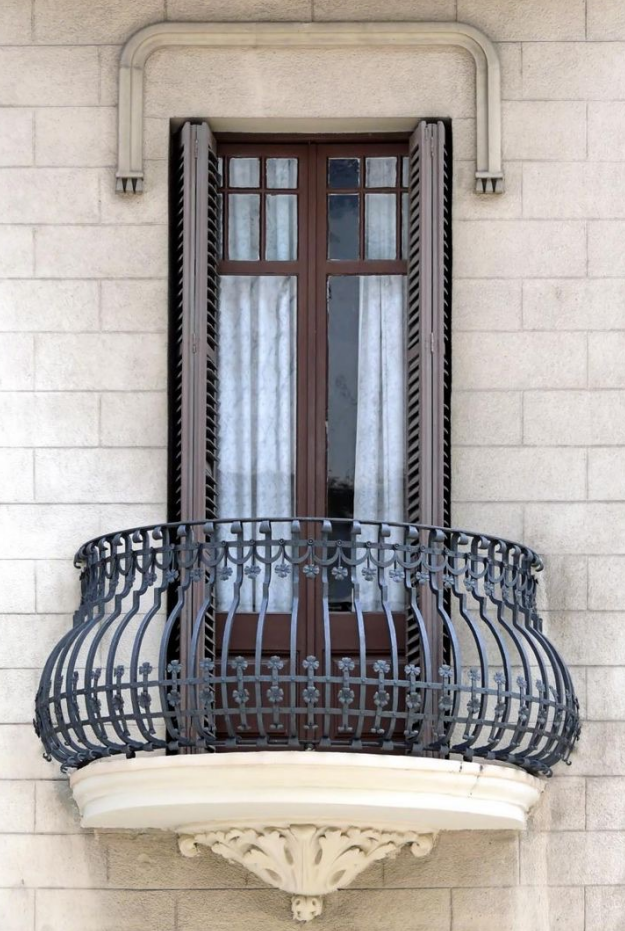
- Traditional architecture calls for classic proportions, with wrought iron scrollwork echoing historical millwork details
- Contemporary spaces allow creative pairings like weathering steel with ipe wood
Recent trends show 68% of architects specify railings with matching interior/exterior finishes (National Association of Home Builders 2023), highlighting the value of cohesive planning.
Customizing Railings for Unique Architectural Styles
Craftsman style homes typically have square newel posts paired with earthy stain colors that match up nicely with those tapered columns. Barndominiums tend to bring in lots of galvanized metal details since they're rooted in farm buildings after all. When it comes to log cabins, many folks go for hand hewn wood railings complete with branch shaped brackets that really capture that rough and ready feel. Mediterranean villas often sport ornate iron balconies finished in old copper tones that somehow mirror the patterns found on courtyard tiles. These specific design choices really help maintain the unique look and feel of each architectural style.
Top Material Choices for Balcony Railings: Durability and Style
Wood Railings for a Warm, Natural Look and Integration With Outdoor Spaces
When it comes to making balcony railings blend into nature, wood still stands out as a favorite option among architects and homeowners alike. Cedar and redwood get picked most often because they stand up pretty well against the weather on their own, but folks living in damp areas should plan to seal them again after about two or three years according to what we saw in last year's Architectural Materials Report. These types of wood work especially well with those country-style houses or Craftsman designs where the natural grain shows through nicely alongside stone walls and other wooden parts of the house. A recent industry poll found that nearly seven out of ten designers go for wood when creating spaces like covered patios or balconies since it handles temperature changes better than many alternatives.
Wrought Iron Railings Offering Strength and Timeless Elegance
Forged from corrosion-resistant alloys, modern wrought iron withstands extreme conditions while supporting intricate detailing. According to a Structural Metals Study, iron railings retain 94% integrity after 15 years in coastal environments when powder-coated annually. Openwork patterns work across styles—scrollwork enhances Victorian homes, while linear forms align with industrial aesthetics.
Glass Railings for a Sleek, Minimalist Appearance and Unobstructed Views
Tempered glass panels (8—12mm thick) provide nearly invisible barriers ideal for urban high-rises and contemporary residences. Laminated options with UV-resistant interlayers maintain 92% clarity over a decade in sunbelt regions (2024 Glazing Performance Index). Frameless systems using stainless steel standoffs maximize space on narrow balconies while meeting 50 PSI wind load requirements.
Comparing Material Durability, Maintenance, and Suitability by Climate
| Material | Durability (Years) | Annual Maintenance Cost | Ideal Climate |
|---|---|---|---|
| Wood | 15—25 | $120—$300 | Temperate, Dry |
| Wrought Iron | 30+ | $80—$200 | All (Coastal-Friendly) |
| Glass | 25+ | $40—$100 | Humid, Urban |
Glass requires minimal upkeep but demands precise installation to prevent thermal stress cracks. Iron outperforms wood in wildfire-prone areas, while wood’s flexibility makes it better suited for seismic zones.
Designing Balcony Railings for Specific Floor Plan Layouts
Adapting Railings to Compact, Wide, or Irregular Balcony Configurations
Designing good railings begins by looking at how much space is actually available. For small balconies that are barely four feet deep, vertical metal slats or thin glass panels work best since they take up minimal room while still hitting the required thirty-six inch height standards. When dealing with larger spaces over ten feet in length, horizontal cable systems tend to be better choices because they create longer sightlines visually. The posts need to stay within four feet of each other though for proper support. Things get trickier when working with odd shapes like triangles or curves. These situations usually call for special aluminum frames combined with adaptable glass sections between them. According to some recent research from Architectural Metals Report back in 2023, this approach can actually make better use of space in these irregular setups by around twenty seven percent compared to standard rectangular designs.
Cable, Picket, and Glass Systems Optimized for Space and Sightlines
| System Type | Best For | Maintenance | Sightline Impact |
|---|---|---|---|
| Cable Railings | Modern/open layouts | Annual tension checks | Minimal obstruction |
| Steel Pickets | Traditional homes | Biannual repainting | Moderate blockage |
| Tempered Glass | Urban high-rises | Quarterly cleaning | Zero visual interference |
Cable systems with ≥ 1/8” diameter strands offer the slimmest profile (0.65” thick), while frosted glass (3/8” thick) balances privacy and light diffusion in multi-unit buildings.
Integrating Balcony and Stair Railings in Open-Concept or Multi-Level Floor Plans
When designing railings for connected living areas, going with a unified look really helps cut down on visual messiness. Studies indicate that when handrails are kept at similar heights around 34 to 38 inches tall and made from matching materials between different levels like balconies and staircases, people tend to see about 40% less chaos in these open floor plans. For those split level houses, running cables continuously between floors creates nice vertical lines as long as the supporting posts line up properly with the actual structural walls underneath. This alignment makes all the difference in how cohesive everything looks from one story to another.
Enhancing Functionality and Safety in Balcony Railing Design
Balancing Decorative Appeal with Structural Safety and Building Code Compliance
Balcony railings these days need to look good while keeping people safe. According to research from the Ponemon Institute in 2023, when railings follow building codes properly, there's about a 47% drop in accidents happening on balconies. This backs up what IRC Section R312 says about railing requirements. The rules set specific height requirements between 36 inches and 42 inches tall, plus they limit how far apart balusters can be spaced so nothing bigger than a 4 inch ball can fit through. Glass options have become really popular lately. These installations typically use either tempered or laminated glass panels that pass the ASTM E2353 impact tests. While meeting all those safety standards, modern glass railings still manage to maintain their clean, minimalist appearance that many homeowners want for their outdoor spaces.
Meeting Jurisdiction-Specific Requirements for Elevated Decks and Load-Bearing Standards
Local codes often impose additional demands:
- Coastal areas typically require 316-grade stainless steel hardware to resist salt corrosion
- Snow-prone regions enforce 90 PSF minimum load capacity for structural posts
- Earthquake zones may mandate flexible base plates or seismic joints
Always consult local amendments to IBC Chapter 16 before finalizing designs.
Incorporating Multifunctional Features Like Lighting, Planters, or Seating
Adding LED strips to handrails really helps with night time visibility and creates a nice atmosphere too. About two thirds of homeowners put this feature high on their list according to recent outdoor living surveys. Small planters that are around five inches deep work great when attached near the bottom of railings since they take up minimal space. Flip down seats with built in support systems also help maintain proper clearance requirements without taking away from functionality. When working with cable railings, most professionals recommend using stainless steel cables about an eighth of an inch thick. These should be tightened so there's barely any movement when subjected to moderate side forces, following industry safety guidelines for residential installations.