
 EN
EN



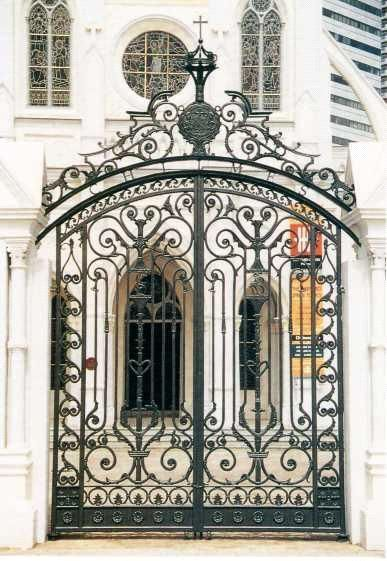
UK Heritage Compliance: Navigating Listed Building Consent for Antique-Style Iron Doors
When Listed Building Consent Is Required—and What Historic England Expects
Wrought Iron vs. Mild Steel: Meeting Material Authenticity Standards in Conservation Approvals
Material choice directly affects conservation approval. Authentic wrought iron—not mild steel—is the benchmark for listed building consent due to its distinct physical and historical properties:
| Property | Wrought Iron | Mild Steel |
|---|---|---|
| Grain Structure | Fibrous, slag-inclusive | Homogeneous, uniform |
| Corrosion Resistance | Forms protective patina | Prone to accelerated rust |
| Fabrication Method | Hand-forged using coal-fired forges | Laser-cut or CNC-machined |
Conservation officers require demonstrable use of traditional methods; laser-cutting or cold-forming mild steel fails to meet authenticity standards. Wrought iron’s natural resilience to the UK’s damp climate, combined with its capacity to age gracefully, supports both long-term performance and heritage integrity.
Sourcing Authentic Antique-Style Iron Doors from UK Heritage Metalwork Specialists
Top Accredited Blacksmiths Specialising in Historic Ironwork for Georgian, Victorian & Industrial Buildings
Finding genuine antique style iron doors requires going to blacksmiths who have credentials from organizations like the Worshipful Company of Blacksmiths or the Heritage Crafts Association. These skilled artisans spend years mastering old fashioned techniques such as hot riveting, scroll forging, and chasing by hand. They recreate designs from the Georgian, Victorian periods and even Industrial era styles using traditional coal fired forges alongside basic hand tools. The whole process takes around 200 hours per door, which explains why these pieces are so valuable. When installing on protected buildings, getting things right matters a lot because wrong panel arrangements or scrolls that don't match original curves could lead to rejection of planning permission. Many of these craftsmen understand the subtle differences between regions too, making sure their work fits what local authorities expect for historic preservation.
Direct Commissioning vs. Architect-Led Procurement: Best Pathways for Historic Projects
When it comes to getting work done on their properties, owners generally go down one of two paths: hiring a specialist blacksmith directly, or working through an architect. Going straight to the blacksmith means knowing exactly what's going to cost and being able to watch the whole process unfold. But this approach requires someone who really understands old building specs, metal types, and all the paperwork needed for preservation work. On the other hand, when architects handle the procurement side, they act as translators between legal requirements and actual construction needs. They talk to conservation officials regularly and make sure everything meets regulations, which is super important for Grade I or II listed buildings since around 8 out of 10 projects there need official documentation according to Heritage Trust stats from last year. Bad connections between parts, wrong surface finishes, or measurements that don't match up are behind almost a third of rejected applications these days. Getting professionals involved early cuts down on these problems though. Simple fixes like replacing a damaged section might work fine with direct commissioning. But when dealing with major restoration jobs that involve supporting structures or lots of historical restrictions, having an architect manage things usually leads to better results and less hassle overall.
Architectural Matching: Selecting Period-Accurate Antique-Style Iron Doors by Era
Georgian, Victorian & Industrial-Era Motifs: Scrollwork, Rosettes and Panel Layouts Explained
When choosing an old fashioned iron door for a historic property in the UK, getting the style right matters a lot. Georgian doors tend to look quite restrained overall. They usually have balanced shapes, simple rectangles, and minimal decoration like gentle fluting or very subtle astragals along the edges. The Victorians went wild with their designs though, often going for asymmetrical looks with lots of detailed scrollwork, floral rosettes, and curved top sections that seem to come straight from nature mixed with new industrial ideas. Doors from the Industrial period focus on being strong and practical rather than fancy. Look out for angular frames, visible rivets holding everything together, multiple panels arranged in interesting ways, and solid construction throughout. Getting all these details spot on matters both visually and legally. Heritage experts check things like how scrolls curve, where rivets sit apart from each other, and whether panel sizes match what would have been used back then. These specifics tell them if someone really understands history or just wants something that looks old fashioned.
Material Integrity & Craftsmanship: Why Traditional Forging Matters for Historic Building Restoration
When restoring historic buildings in the UK, there's really no alternative to traditional forging techniques for creating authentic antique style iron doors. Wrought iron made by hand stands up better over time, especially in places near the coast or old industrial areas where weather and pollution take their toll on materials after many years. Craftsmen who know their stuff can recreate those period specific details like hot rivets and scrolls that transition smoothly between sections, so when they install Georgian lunettes or Victorian rosettes, everything fits right in with what was originally there. The attention to detail matters because it stops things from warping at critical points and allows the iron to develop that natural patina that looks right for historical buildings something mass produced parts just cant match. And don't forget about the paperwork either conservation officials check both how something was made and what it's made of before approving work on listed buildings. Going with real hand forged iron means the door becomes part of the story of the building itself rather than just another pretty copy sitting on the outside.
FAQ
Q: What is listed building consent?
A: Listed building consent is a legal process in the UK that ensures any alterations to a listed property are in compliance with heritage standards, safeguarding its historical integrity.
Q: Why is wrought iron preferred over mild steel for conservation projects?
A: Wrought iron is favored due to its historical authenticity, distinct physical properties like corrosion resistance, and its ability to be hand-forged, offering a genuine historical appearance and performance.
Q: How long does it take to create an authentic antique-style iron door?
A: Crafting an authentic antique-style iron door typically takes around 200 hours, given the use of traditional forging techniques and careful attention to detail.
Q: What are some common mistakes leading to rejection of building consent?
A: Common mistakes include incorrect panel arrangements, mismatched historic details, and use of non-traditional materials or methods that do not align with original architecture.
Q: Should I hire a blacksmith directly or work through an architect for my restoration project?
A: Hiring a blacksmith directly offers more control over the process, but using an architect ensures compliance with legal requirements and may be beneficial, especially for complex projects.
Table of Contents
-
UK Heritage Compliance: Navigating Listed Building Consent for Antique-Style Iron Doors
- When Listed Building Consent Is Required—and What Historic England Expects
- Wrought Iron vs. Mild Steel: Meeting Material Authenticity Standards in Conservation Approvals
- Sourcing Authentic Antique-Style Iron Doors from UK Heritage Metalwork Specialists
- Architectural Matching: Selecting Period-Accurate Antique-Style Iron Doors by Era
- Material Integrity & Craftsmanship: Why Traditional Forging Matters for Historic Building Restoration
- FAQ