
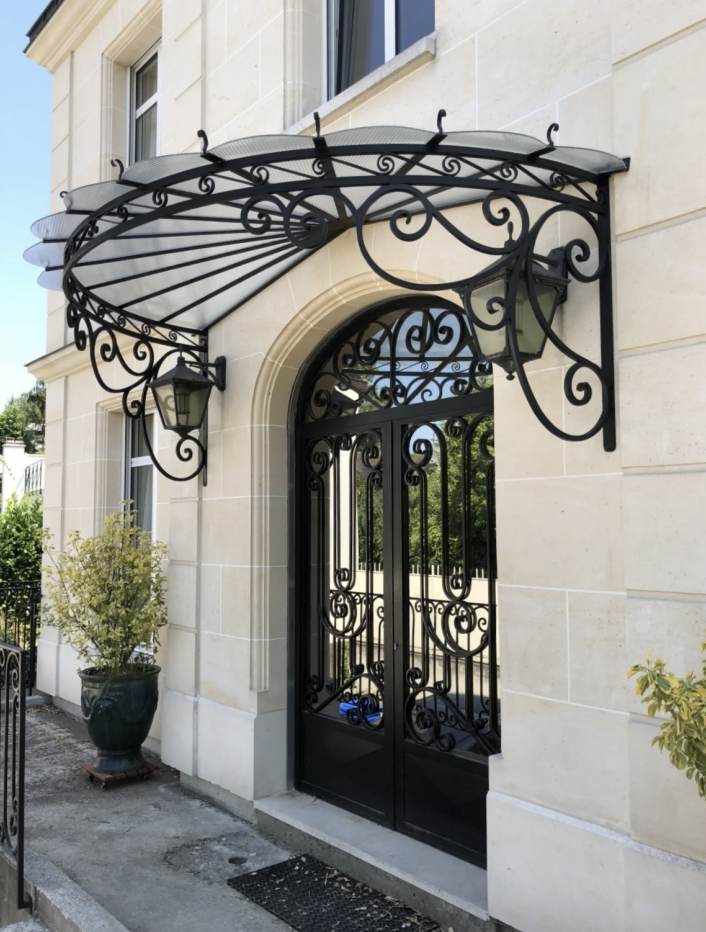
The Aesthetic Value of Iron Canopies in Contemporary Architecture
Elevating Exterior Design: Iron Canopies as Architectural Enhancements
Iron canopies serve as both practical coverings and artistic statements in contemporary residential architecture. These structures can span impressive distances of around 15 feet without needing any support columns according to recent industry data from Metal Design Institute (2023). This feature gives architects plenty of creative freedom when designing striking roof designs that either match sharp concrete walls or gently blend into outdoor areas like gardens. Compared to heavier options available on the market today, those made with openwork patterns in powder coated steel let about 43 percent more light through than traditional materials. Yet they still hold up well against all kinds of weather conditions, making them a smart choice for homeowners who want something both beautiful and durable.
Crafting Visual Harmony: Matching Canopy Styles with Home Aesthetics
Designers have plenty of customization choices to match canopies with different architectural styles. For example, those ornate forged arabesque patterns really stand out on Mediterranean villas. The straight lines from laser cutting work well with modern minimalist buildings that have those clean cube shapes. And then there are these flowing organic designs that just seem to fit right into prairie style homes with their horizontal emphasis. According to a recent industry report from 2023, most architects go for matte black finishes about 68% of the time when working on transitional designs. A smaller group, around 24%, opt for bronze patinas because they want to follow old building preservation rules. These numbers come from the Architectural Metals Survey which tracks such trends across the industry.
From Structure to Art: The Craftsmanship Behind Decorative Ironwork
Modern fabricators combine plasma cutting accurate within 0.5mm with hand chasing techniques to transform 10 gauge steel sheets into intricate botanical patterns. This fusion of technology and artistry results in load-bearing components that weigh 22% less than solid iron equivalents while meeting ASCE 7-22 wind load standards.
Making a Statement: Iron Canopies as Focal Points at Residential Entrances
Oversized cantilevered designs, typically projecting 6 feet, create shadowplay effects that visually expand entryway dimensions. When paired with integrated LED lighting at 3000K color temperature, these installations increase nighttime curb appeal visibility by 83% compared to unlit porticos (Residential Lighting Study 2022).
Functional Benefits and Practical Applications of Iron Canopies
Iron canopies deliver both weather protection and architectural refinement, serving as multifunctional elements in residential design. Their structural integrity withstands decades of environmental exposure while maintaining aesthetic relevance across evolving style trends.
Shelter with style: Combining weather protection and design elegance
Modern iron canopies provide reliable defense against rain, snow, and UV damage through angled drainage systems and corrosion-resistant finishes. They simultaneously elevate curb appeal with customizable scrollwork, geometric patterns, or integrated lighting that complements a home’s architectural character from Victorian accents to minimalist modern lines.
Versatile placements: Entrances, balconies, and outdoor living areas
When it comes to iron canopies, smart placement really makes all the difference in how well they work. For entryways, these structures provide nice covered areas that welcome guests while protecting from weather. Balconies get an extra layer of comfort when extended with canopy covers, giving people somewhere to sit outside without getting rained on. Patios become much more usable during different seasons thanks to proper covering solutions. The openwork style of many iron canopies works great because it lets in just enough light while still keeping rain out. This design feature is particularly useful along coastlines where salt air can be damaging over time, but also helpful in mountain regions where heavy snowfall requires stronger structural support capabilities.
Material and Design Flexibility in Iron Canopy Construction
Blending materials: Combining iron with glass, wood, or stone for unique effects
Iron canopies really come alive when different materials are combined thoughtfully. Putting glass panels inside iron frames gives them that clean, contemporary look many homeowners want these days, especially if they have those big wall windows that let in so much light. The glass helps protect against bad weather but still lets sunlight pour through. For cottages and more rustic styles, adding wood elements around the iron makes everything feel warmer and less harsh. Stone covered columns underneath work great for traditional buildings too, giving the whole structure more stability over larger areas. Pretty interesting fact actually - about 40% of architects are starting to include these mixed material designs in their residential plans nowadays.
Design nuances: Balancing structural strength with intricate detailing
Today's ironwork manages to balance strength with beauty pretty well. The strong I beam frames underneath hold up all sorts of fancy scrolls and geometric shapes while still keeping everything stable. What's interesting is how craftsmen manage to work practical stuff like gutters right into the decorative parts without messing up the clean look, even when the design gets complicated. Because of this careful engineering, iron awnings can stretch across spaces as wide as 18 feet without needing extra support. That makes them great for big entryways or covering large patios where traditional materials just wouldn't cut it.
Lightening the visual weight through openwork and ornamental patterns
Iron tends to look heavy, so architects often play with empty spaces around it to balance things out. Things like laser cut designs or those fancy balusters with gaps between them create light, flowing shapes that work well with modern buildings. When we cut away parts strategically, we actually save on materials somewhere between a third to half without compromising how strong the structure is. Plus, these cuts cast cool shadows during different times of day which makes buildings stand out more from the street. For older style houses, skilled workers copy traditional patterns too. Think about those detailed plant designs from Victorian times or those bright sunburst shapes from the Art Deco era. They adjust how dense these patterns are so everything still looks proportional and right for the building.
Customization Options to Match Any Architectural Style
Iron canopies offer unparalleled adaptability, serving as chameleonic design elements that enhance structures ranging from neoclassical estates to ultra-modern smart homes. This versatility stems from extensive customization capabilities addressing both functional needs and stylistic preferences.
Personalizing finishes, dimensions, and integrated lighting features
For those looking to spruce up their home entrance, there are several finish options available. Matte black powder coating works great for modern homes wanting that clean, minimalist look. Traditional houses might prefer the hand applied verdigris patina which gives off that aged copper vibe so many people love. Most standard sizes fit regular doorways between about 72 to 96 inches wide. But if someone wants something really special, we can make custom widths all the way up to 240 inches perfect for those fancy porte cochere setups. The canopy beams come with built in LED lights that sit right inside them. These lights not only provide nice soft lighting but also create some pretty dramatic effects especially when installed next to textured wall surfaces.
Achieving design continuity between canopy, door, and façade
Most architects will tell anyone who asks that there are basically three things worth repeating when trying to tie together different parts of a building's exterior. First up is how materials transition from one to another think about those intricate wrought iron scrolls on gates that match the delicate filigree found on door handles. Then there's proportion stuff like making sure the size of canopy overhangs matches what's going on with the window hoods nearby. And finally, consistent shadow lines matter too when structural supports line up neatly with masonry joints. When working on historic renovations, designers sometimes copy fleur-de-lis designs exactly as they appear on old wrought iron fences. Modern buildings tend to go for something else entirely though geometric laser cut patterns that somehow connect with the way doors are numbered around the property, which creates visual harmony even if nothing looks exactly alike.
Boosting Curb Appeal and Property Value with Decorative Iron Canopies
Enhancing first impressions: How iron canopies influence buyer perception
Iron canopies serve as those first greetings when someone approaches a house, combining durability with artistic touches that really stand out on the outside of homes. The National Association of Realtors did a survey in 2023 showing something interesting: around 73 percent of people looking to buy property actually decide if they like what they see within just 30 seconds after arriving at a place. That makes it pretty important for front entrances to look good. Custom made iron canopies address exactly this need, putting frames around doorways with detailed work that matches whatever style period the house was built in. What starts as just protection from weather becomes something much more visually striking too.
Property value impact: Homes with decorative canopies see 7–12% higher perceived value (source: Remodeling Impact Report, NAHB)
According to the NAHB Remodeling Impact Report, houses with decorative metal canopies tend to be valued between 7 to 12 percent higher than those without these features. The price bump makes sense when we consider what these structures offer. Iron canopies stand up to weather for decades, often lasting anywhere from 25 to 40 years with hardly any maintenance needed. Plus, their classic look doesn't go out of style like so many other home improvements do. Real estate professionals have observed that properties where ironwork elements match throughout the space tell a story of careful attention to detail. Think about matching balcony railings alongside garden gates or door frames. These thoughtful touches make all the difference in how much money a house can command on the market.
FAQ
What are the main benefits of using iron canopies in architecture?
Iron canopies offer both aesthetic and functional benefits. They provide weather protection and enhance the architectural appeal, creating a more inviting entrance and increasing property value.
Can iron canopies be customized to match different architectural styles?
Yes, iron canopies can be extensively customized with various finishes, dimensions, and integrated lighting features to suit any architectural style, from traditional to modern designs.
How durable are iron canopies?
Iron canopies are highly durable, often withstanding decades of environmental exposure with minimal maintenance, providing long-lasting architectural refinement.
Table of Contents
- The Aesthetic Value of Iron Canopies in Contemporary Architecture
- Functional Benefits and Practical Applications of Iron Canopies
-
Material and Design Flexibility in Iron Canopy Construction
- Blending materials: Combining iron with glass, wood, or stone for unique effects
- Design nuances: Balancing structural strength with intricate detailing
- Lightening the visual weight through openwork and ornamental patterns
- Customization Options to Match Any Architectural Style
- Personalizing finishes, dimensions, and integrated lighting features
- Achieving design continuity between canopy, door, and façade
- Boosting Curb Appeal and Property Value with Decorative Iron Canopies
- FAQ