
 EN
EN



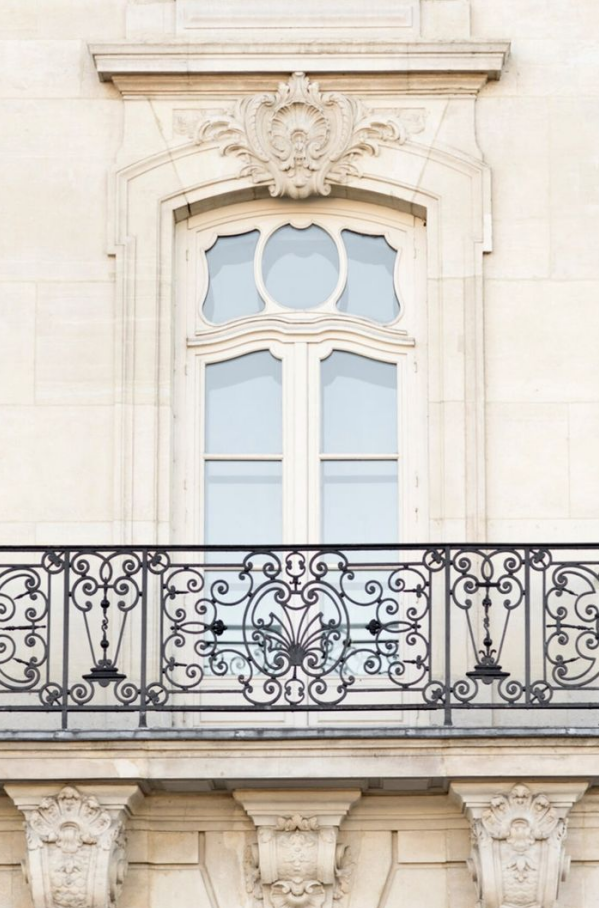
Aesthetic Versatility in Iron Balcony Railing Custom Design
Design Language Options: Victorian, Contemporary, and Transitional Styles
Victorian style railings are all about those detailed scrolls and plant-like decorations that look great on older homes wanting something fancy but still classy. Modern designs take a totally different approach, going for simple shapes and straight lines that fit right into today's buildings without sticking out like a sore thumb. There's also this middle ground where people mix old school techniques with simpler forms, which works really well when dealing with houses that have parts from different time periods. The variety available means custom iron balustrades can work just as well whether someone is fixing up an historic property or building something brand new these days. Plus, they manage to keep looking good while respecting what the original architect had in mind back when the place was first built.
Finishes, Colors, and Ornamental Detailing for Architectural Harmony
The latest powder coating tech offers well over 200 colors that stand up to weather conditions, making it easy to match with building facades, trim work, or brand colors. Matte black continues to be a classic choice for its bold contrast, but there's also room for custom colors that blend nicely with stone surfaces, different types of cladding, or nearby metal components. Decorative touches like fleur de lis finials, laser cut designs, or unique patterns get added carefully so they enhance the look without creating too much visual noise. Every finish starts on hot dip galvanized steel following ASTM A123 standards, which means these coatings resist rust for years while still allowing designers freedom to create attractive solutions no matter what kind of climate or setting they're working with.
Structural Integrity and Safety Compliance in Custom Iron Railings
Load-Bearing Capacity vs. Visual Lightness: Engineering for Form and Function
Getting that perfect balance between looking good and being strong takes some serious structural thinking. Hollow structural sections, or HSS for short, let designers create railings that look slim and light but can actually handle way more than the 200 pound load requirement set by IRC 2021 standards. When we run finite element analysis on these designs, it shows exactly where we need to beef things up inside at those stress points and welding areas, all while keeping the outside looking clean and uncluttered. What this means in practice is a railing system that stands up against pretty much any sideways force nature throws at it, even what would be considered hurricane level winds. And best part? None of this extra reinforcement messes with how elegant the design looks or blocks views through the space.
Meeting Building Codes for Multi-Story Balconies: Height, Spacing, and Load Requirements
Compliance with the International Building Code (IBC) and IRC 2021 is foundational—not optional—for elevated installations. Critical requirements include:
| Requirement | Standard | Purpose |
|---|---|---|
| Height | 36"–42" from deck surface | Prevents falls over the railing |
| Baluster Spacing | ✓4" sphere passage test | Prevents child entrapment |
| Concentrated Load | 200 lb applied at any point | Ensures impact resistance |
| Uniform Load | 50 lb/ft along top rail | Guarantees structural stability under sustained pressure |
Third-party inspection verifies weld integrity, foundation anchorage, and torque resistance—especially vital for cantilevered systems, where load transfer increases exponentially with height. Documentation demonstrating adherence to ASTM A123 galvanization standards streamlines permitting and satisfies jurisdictional review for multi-story residential and commercial projects.
Material Durability and Lifecycle Value of Custom Iron Balcony Railings
Corrosion Resistance: Modern Powder Coatings, Galvanization, and Maintenance Best Practices
Custom designed iron balcony railings last much longer when given two layers of protection first comes hot dip galvanization according to ASTM A123 standards, then topped off with a quality powder coating finish. The zinc underneath acts like a shield that keeps working even after getting scratched, while the powder coating stands up against fading from sunlight, holds onto colors better, and fights off damage from salt air, acidic rain, and all sorts of pollution floating around. For buildings near oceans or factories where things get really harsh, these railings can stick around for over quarter century without major issues. Regular cleaning twice a year using neutral pH cleaners stops corrosion from building up, and checking them once every twelve months catches small problems early so they don't turn into big ones later on. Spending time on regular maintenance instead of waiting until something breaks actually cuts down overall costs by roughly forty percent over the long run, which makes iron a smart choice for anyone looking at durability combined with reasonable yearly expenses for their building projects.
Site-Specific Customization: Adapting Iron Balcony Railing Custom Design to Real-World Applications
Curved, Cantilevered, and Retrofit Installations: Precision Fitting and Structural Integration
When it comes to tricky spots where regular railing systems just don't cut it, custom iron work really shines. With digital templates and those fancy 3D laser scans, we can get every curve right down to the last detail, accounting for changes in height and uneven surfaces so our curved balcony railings fit like a glove. For cantilever designs, we build in secret strength that holds up against serious weight - over 300 pounds per square foot actually - while keeping things looking airy and open without those ugly support bars sticking out everywhere. When working on older buildings, there are extra challenges to consider. Our mounting solutions won't damage historic stone walls, special stainless steel connectors let new supports attach securely to old materials, and adjustable joints handle those little measurement differences that always pop up in real world situations. Safety remains top priority throughout everything we do. All our designs pass the 4 inch sphere test requirements, making sure people stay safe even when going for bold geometric shapes. This focus on getting things right from the start means fewer adjustments needed once onsite, saves around 40% on installation time, and keeps water from pooling or creating stress points at connections. The result? Longer lasting installations and much less hassle with maintenance down the road.